
Philippines focus
This country’s agricultural production will surprise you
Shall we talk about superlatives? That is to say, agricultural world records. Which countries spring to mind?
Would it be Ukraine, known as the ‘breadbasket’ of Europe for its astonishing wheat yields? Brazil, perhaps, as the world’s largest producer of commodities such as coffee and soybeans? Or we could settle on the United States as the world’s largest exporter of agricultural products, and China as the country that produces the most food.
Yet while all those records are valid and easily verified, there’s another country that’s worked itself – agriculturally – into the top echelons of world production, quietly and methodically.
That country’s the Philippines.
Perched precariously across the Pacific Ocean’s typhoon belt, the chain of 7,641 islands that comprises the Philippines probably wouldn’t make it into many people’s top-ranking agricultural producers.
Yet as we saw in our last blog, it’s a country in which FertiGlobal has keen interest – precisely because we’ve already seen for ourselves its quiet determination to deliver agricultural success.
The Philippines may not have the agricultural volume to help feed the world, but it certainly helps feed Asia Pacific. Agriculture ranks third in the Philippine economy, behind services and industry, and provides employment for one-fifth of the workforce.
And that ‘quiet determination’? OK, the Philippines can’t lay claim to a number one position in commodities like coffee or soybeans. But how about the banana, the world’s most popular fruit? Number one exporter in Asia and number two worldwide. It’s the world’s second-biggest producer of coconuts, narrowly behind Indonesia.
But its biggest claim to fame – if you can call it that, given its quiet approach – is the near-total monopoly it has on the production and export of a commodity that’s found its way into applications around the world.
Abacá: the planet’s strongest fibre
Its name, Musa textilis, provides the first clue. Botanist readers will identify this as part of the banana family. Native to the Philippines, it provides an exceptionally strong fibre that’s been used for centuries not only for weaving durable cloth and fabric, but also for robust tasks such as maritime rope. This resilience has lent itself to more modern applications: bank notes, tea bags and as a petroleum-free material for the automobile industry. There’s probably abacá fibre near you right now.
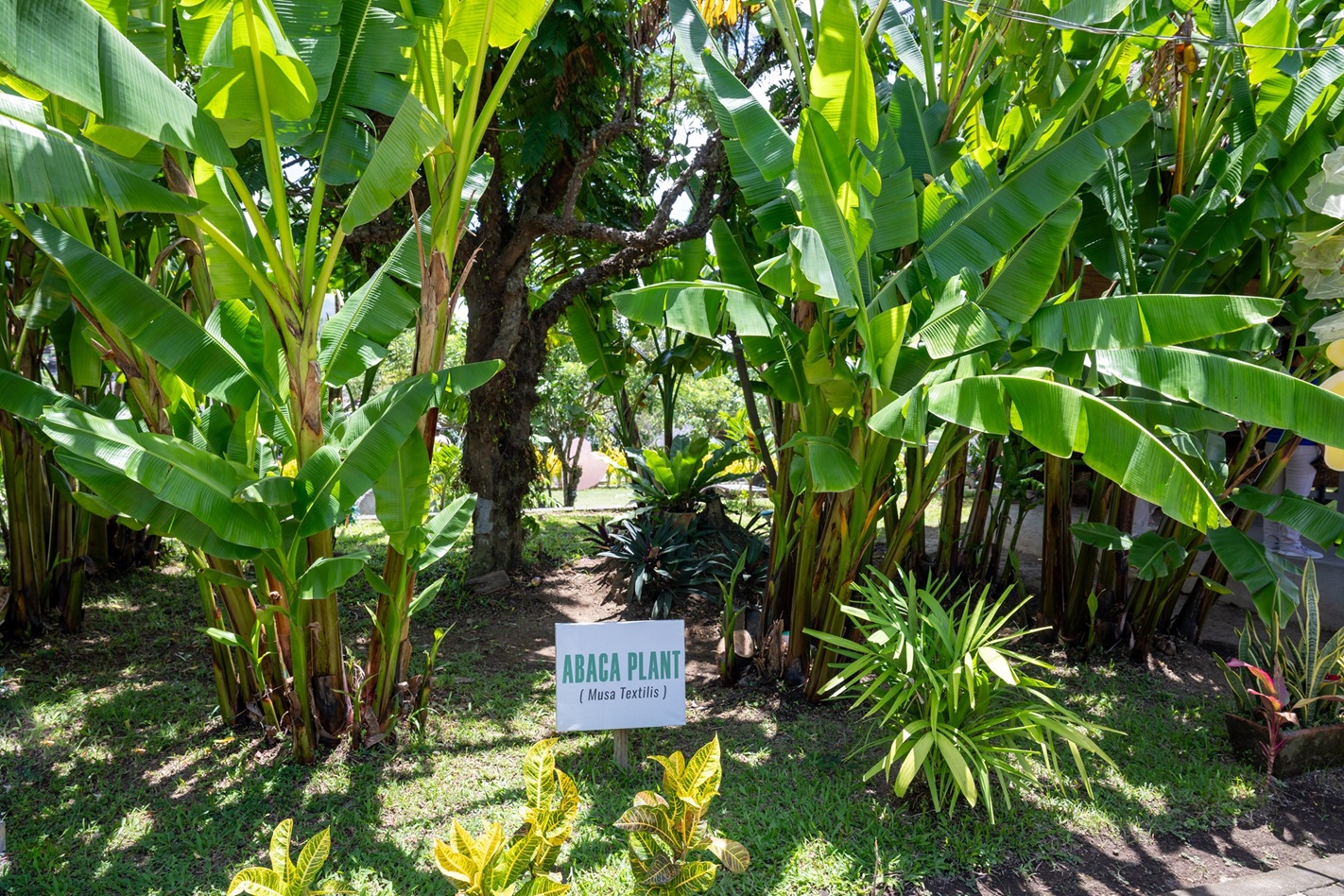
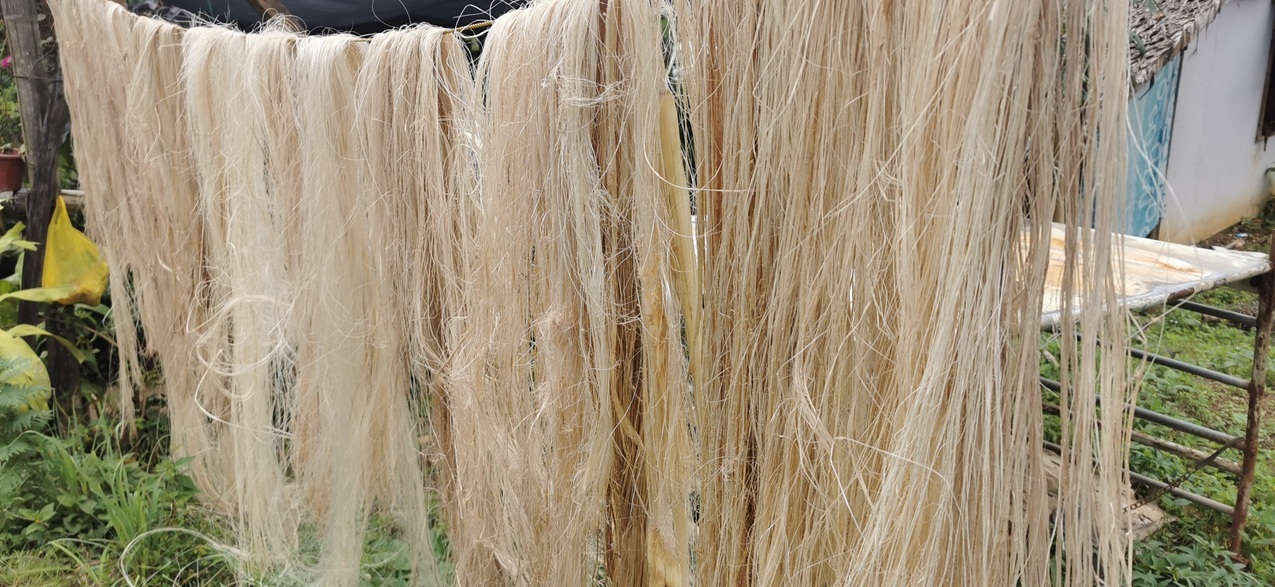
Grown only in the Philippines, Ecuador and Costa Rica, it’s Philippine abacá that dominates the trade with 87 per cent of the global market. In the past – notably during the rapid growth of maritime trade and activity seen in the 19th century – abacá regularly vied with sugar and tobacco as the Philippines’ most valuable export crop. Today, it’s worth around USD100m per year, covering around 140,000 hectares.
Smallholders account for the majority of Philippine abacá production. While harvesting – largely by hand – is labour-intensive, the crop itself is highly sustainable: a plantation can be viable for up to 30-40 years, providing robust soil erosion control on the volcanic slopes where it’s commonly planted and lending itself to intercropping to aid biodiversity. Waste materials are often recycled into organic fertilisers.
Going bananas
If you know about bananas, you’ll know about TR4. You’ll also know that Cavendish is the dominant banana variety grown for export.
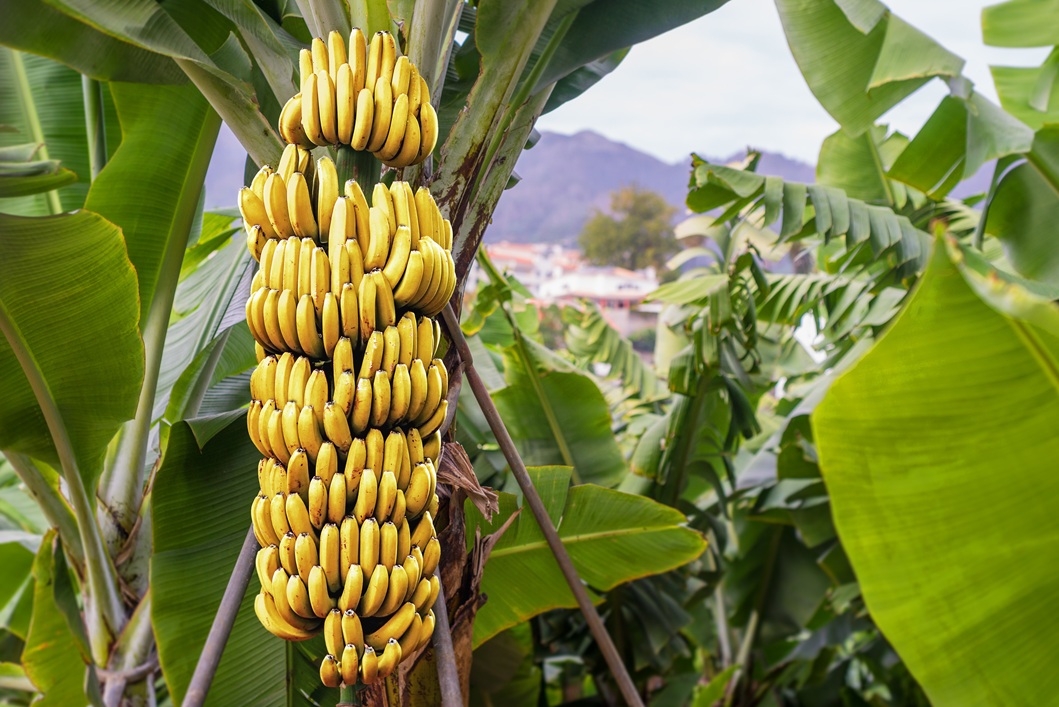
And that TR4 and Cavendish are not compatible.
That’s because TR4 – Fusarium Wilt Tropical Race 4, to give it its full name – is the worst enemy of Cavendish. It destroys the plant, slowly but surely, and then remains dormant in the soil, ready to infect any replacement plantings.
The disease first hit the country in 2005, devastating the industry and shrinking production from 89,000ha to just 51,000. While the only ‘cure’ is to plant a resistant variety – difficult to produce, thanks to bananas’ unique genetic composition – the country has also been fighting back by improving farm management practices to better manage the disease, and the deployment of technologies like AI, drones and remote satellite sensing to detect and contain outbreaks at an earlier stage.
Another concerning disease is black sigatoka, brought on by the fungus Mycosphaerella fijiensis. A foliar disease that causes lesions, chlorosis and physical collapse of the leaf, black sigatoka ultimately kills the plant. Control can be achieved through chemical means, but demands an intense spraying programme of up to 50 applications per year – which can still result in a 50% drop in yield.
While the answer to both TR4 and black sigatoka almost certainly lies in the development and commercialisation of new varieties, FertiGlobal has found that its EnNuVi Technology can lessen the impact of the latter disease.
EnNuVi’s patented nutrient-polyphenolic-molecule focuses on strengthening the plant’s natural defence systems. Evidence points to a balanced combination of nutrients – putting the plant in good stead – fortifying the plant, reducing its susceptibility to both biotic and abiotic stresses. Better health promotes increased energy, charging its in-built mechanisms to ward off attack by pathogens such as Mycosphaerella. When a plant resists infection, a farmer needs fewer fungicides.
A trial in the Philippines proposed whether EnNuVi would increase the number of functional leaves on each banana plant, boosting overall plant health and energy levels to help it fight stress and attack from black sigatoka. Of all the EnNuVi products tested, Mantus provided the best result: a 44% increase in functional leaves, over the standard practice, after 45 days.
Of course, EnNuVi products can’t be seen as a direct replacement for a fungicide like mancozeb, because they have no fungicidal properties. But when applied at the correct time in the crop cycle, they can provide growers with an earlier alternative that may alleviate their need for fungicides at a later date.
A Philippine Vision

It’s developments like this that are fuelling FertiGlobal’s enthusiasm for success in the Philippines. A philosophy of ‘Robust Protection’ (known locally as ProtekTibay) lies behind the communication and application of FertiGlobal products amongst Filipino farmers. Crop resilience is the name of the game – not just against disease, but also climate change. The country’s location on that Pacific typhoon belt makes it highly vulnerable to extreme weather events; the intensifying El Niño suggests that the coming year will demand farmers use every tool in the toolbox.
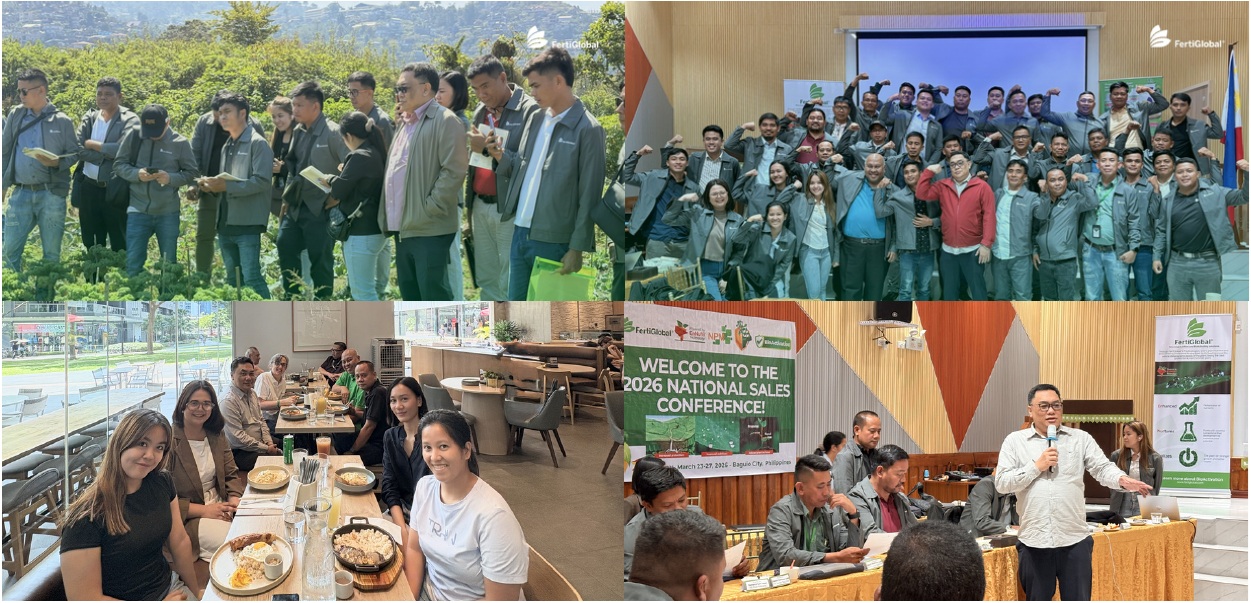
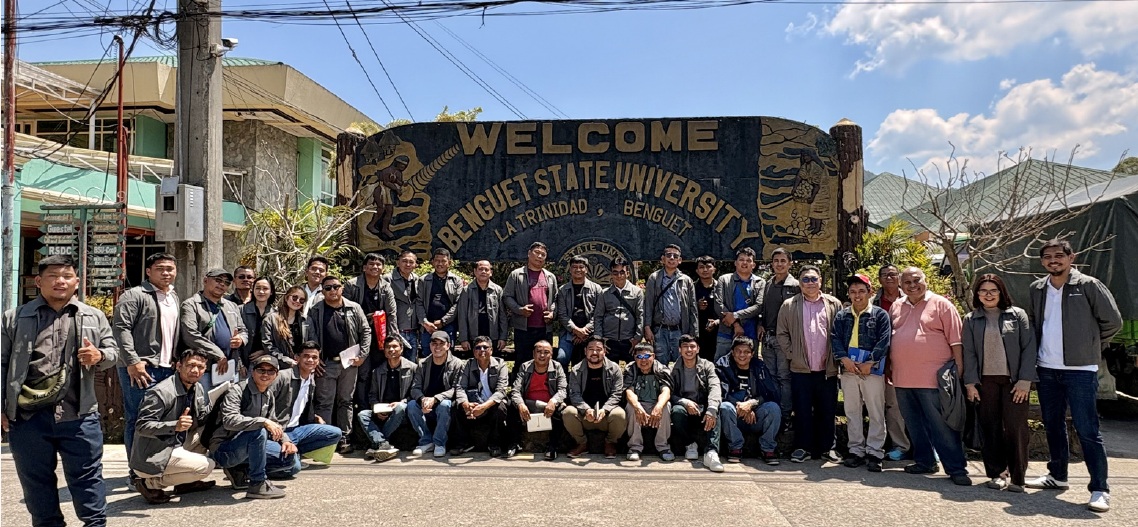
And during this year’s ‘FertiGlobal Summit’, which brought together Team FertiGlobal Philippines in its entirety, this commitment to the market was demonstrated without doubt. Visiting farmers snapped up an entire inventory of FertiGlobal products after seeing for themselves the demonstration trials:
- The effect of Turan and Nemes on chilli plants battling extreme heat waves and weather shifts
- Bacterial wilt in tobacco, devastating conventional crops while those treated with Fortitudo, Semia and Nemes continued to stand healthily
- The ‘signature Technology’ effect of Turan, Fortitudo, OK and Nemes on okra, enabling exports to Japan to meet the country’s strict phytosanitary and quality standards
- Peak performance in the country’s staple crop, rice, thanks to bioactivation with Semia and OK that kept leaves vibrant, lush and green through to harvest.
With deep commitment, appropriate products and convincing results – not to mention keeping them dancing towards wellness – FertiGlobal Philippines continues to empower local farmers to successful, sustainable and resilient production.