

News from the market
Banana Drama
A third-quarter earnings call from Fresh Del Monte – one of the world’s largest suppliers of bananas – has intensified concerns about destabilisation of supplies of the world’s most popular fruit.
Keen readers of the FertiGlobal blog will recall our earlier story about the threat facing the common banana. That stepped up a gear last week, as Fresh Del Monte chairman and CEO Mohammad Abu-Ghazaleh highlighted the ‘mounting pressure’ on the industry.
Abu-Ghazaleh’s warning was starkly illustrated by confirmation that Fusarium Wilt Tropical Race 4 (TR4) was now present in Ecuador, the world’s sixth-biggest banana producer and the largest in Latin America.
He also warned that the ‘serious escalation’ of TR4 now present in Ecuador meant it was now ‘just a matter of time’ before TR4 spread to Central America.
The Fresh Del Monte CEO also pointed to the effect of another devastating banana disease, black sigatoka, in Costa Rica – where the company grows bananas on its own farms. He said the disease – caused by the fungus Mycosphaerella fijiensis – had seen production decline by 22% in a year. “That’s 18 million boxes lost,” he said.
Growers were taking every possible measure to control the disease, he said, but were facing severe financial strain as the price of the preferred fungicide has risen by nearly 50% over the past two years.
Against this background, it’s a sensible time to revisit the trials work conducted by FertiGlobal to identify additional measures available to banana growers. We looked primarily at our EnNuVi Technology, the patented nutrient-polyphenolic molecule whose main effect is strengthening the plant’s natural defence systems.
All the evidence shows that when a plant has access to a balanced combination of nutrients, its susceptibility to both biotic and abiotic stresses is greatly reduced. What’s more, the increased energy levels attributable to higher, more efficient photosynthetic processes mean that it can better use its own defence systems to ward off attacks by pathogens such as those responsible for black sigatoka.
If a plant can resist infection through its own means, then the need for expensive fungicides is greatly reduced – not only saving input costs for the grower but helping to lessen the chance that the fungus will adapt to the chemicals in use, lessening its effectiveness.
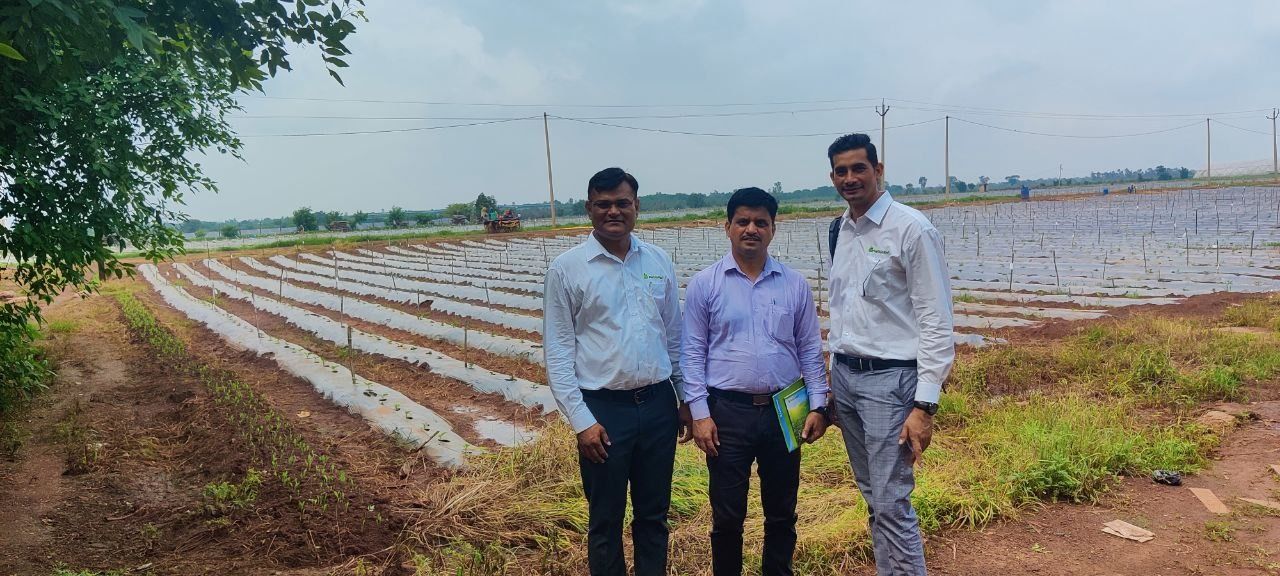
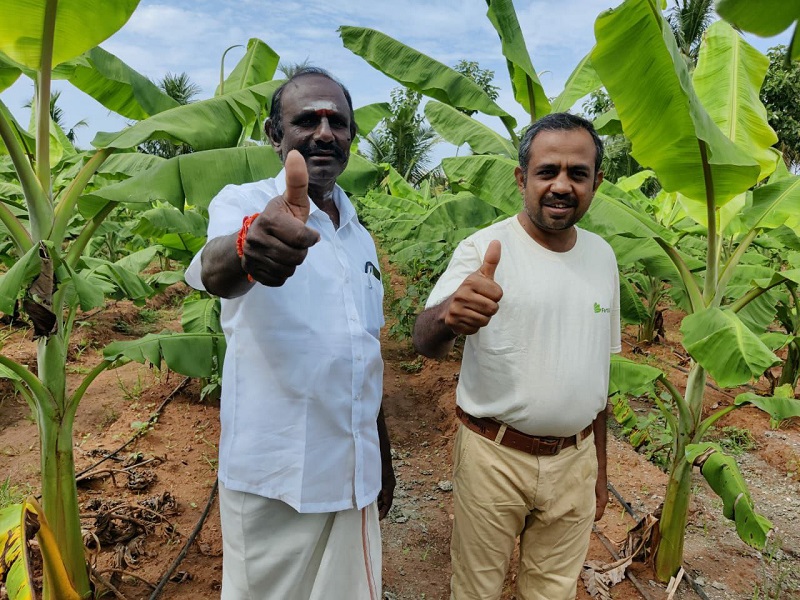
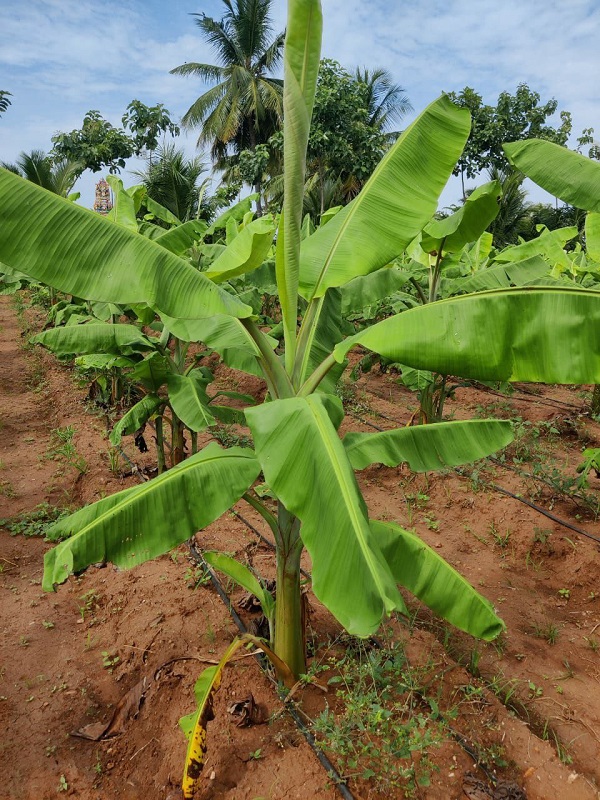
In trials conducted in India the FertiGlobal technical team examined the losses induced in banana plants through leaf wilting. Where plants were treated with the EnNuVi-enabled Semia, the percentage of wilting plants was slashed to less than 10%, compared with more than half for those managed with farmer standard practice. What’s more, while farmer standard practice led to a loss in crop ROI of over $200/ha, the investment loss in Semia-treated plants was reduced by 85%.
Meanwhile, in the Philippines – one of the countries where Fresh Del Monte has its own farms –, the trial proposed whether EnNuVi could increase the number of functional leaves on each banana plant, boosting overall plant health and energy levels to help it fight stress and attack.
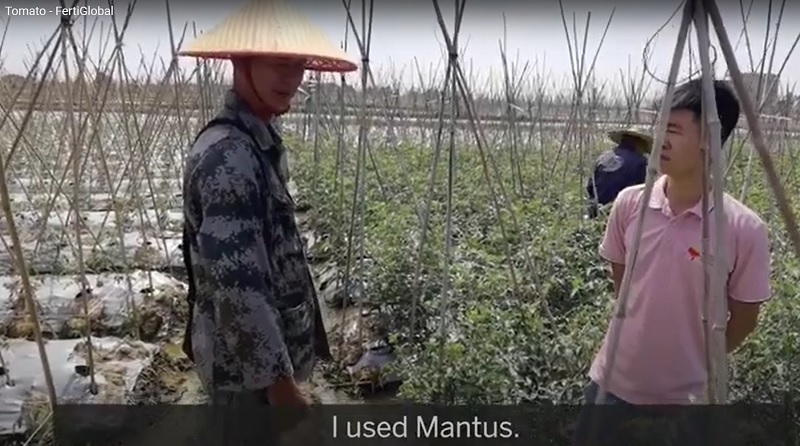
Mantus provided the best result: a 44% increase in functional leaves, over the standard practice, after 45 days.
EnNuVi products will never be a direct replacement for mancozeb – they are not fungicides and don’t exhibit any fungicidal properties – they do fully express the concept of Total Crop Management. If applied at the correct time in the crop cycle, they can provide growers with an earlier alternative that may alleviate the need for subsequent applications of fungicides.
It’s not an outright solution, but it’s a positive step in the right direction.