

World Day
A celebration of soils
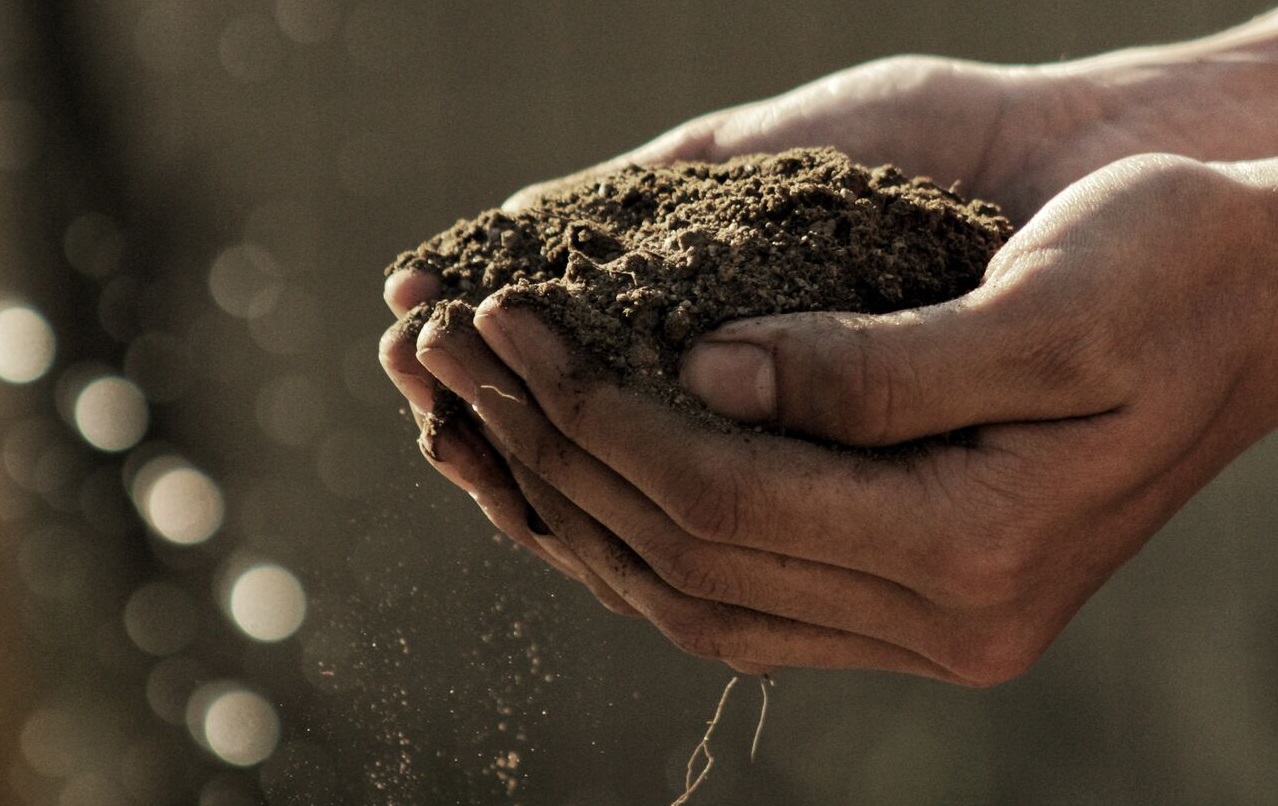
Take a moment to consider the wonder of soils
What an incredible resource we have in our soils.
Just look at the facts.
Soils provide the basis for 95% of the food consumed by the eight billion people around the world: it supplies 15 of the 18 chemical elements necessary for plant growth.
And that soil in which we grow our crops? It’s home to nearly two-thirds of the planet’s species: in fact, there are more living organisms in a tablespoon of soil than there are people on Earth.
Yet, despite this importance, around one-third of the world’s soils are classified as degraded or depleted. But it can take up to 1,000 years to produce just 2cm of ‘new’ soil.
Moreover, two billion people around the world grow crops that don’t supply enough of the essential micronutrients needed for a healthy diet. And if we were to adopt more sustainable soil management practices, we could increase the world’s food production by nearly 60%.
Facts that more people should know? That’s the aim behind World Soil Day, celebrated on December 5 every year since 2014. Originally setting out to raise global awareness about the role of soils in agricultural development, ecosystem functions and food security, the day now functions as a global platform for action and advocacy, an annual window onto the wider and sustained work of the Global Soil Partnership.
Agriculture’s role
Agriculture is the world’s biggest ‘user’ of soils. And our attempts to conserve them are made more pressing by the threat of climate change. Yet there’s much we can do: reducing erosion and pollution, enhancing water filtration and holding capacity.
The growing awareness of ‘regenerative’ agriculture – effectively putting the soil at the heart of the farming system – has helped to highlight the opportunities we have to make agriculture part of the solution to climate change and ecosystem degradation, through its ability to restore and increase soil biodiversity, improve fertility and support carbon sequestration.
The ‘overlooked’ soils
Those who live in towns and cities will recognise the importance of soil in supplying their daily food. But even though they might not walk upon it, covered as much of it is by concrete and asphalt and buildings and roads, urban soils are also fundamental.
That’s why the theme of this year’s World Soil Day is “Healthy Soils for Healthy Cities”, striving to emphasise how soil in the city can play a vital role in absorbing rainwater, regulating temperature, storing carbon and improving air quality.
The aim is to ensure that soils, wherever they are, are used appropriately and looked after sympathetically. Both in the countryside and in the city, soils can help us be greener, more resilient, and healthier.
FertiGlobal supports WSD
The sentiment behind World Soil Day fits perfectly with our own objectives here at FertiGlobal. We recognise the importance of soils: healthy soils are good for all of us. And that’s why within our product portfolio we have technologies, like EnNuVi, that are designed to work in partnership with the soil, not against it, thus helping growers to build and maintain healthy soils for themselves, their crops, and their customers.
Repeated or extended use of harsh chemical inputs can have a devastating effect on soil health and biodiversity, so simple decisions – like those we promote through our dedicated Crop Management Programmes – can significantly boost farmers’ efforts to conserve their soils.
That’s why every FertiGlobal product is ultimately designed to help a grower avoid or reduce their use of harsh chemicals. For soil’s sake.