

World Olive Day
Building Resilience into Olive Groves for Generations to Come
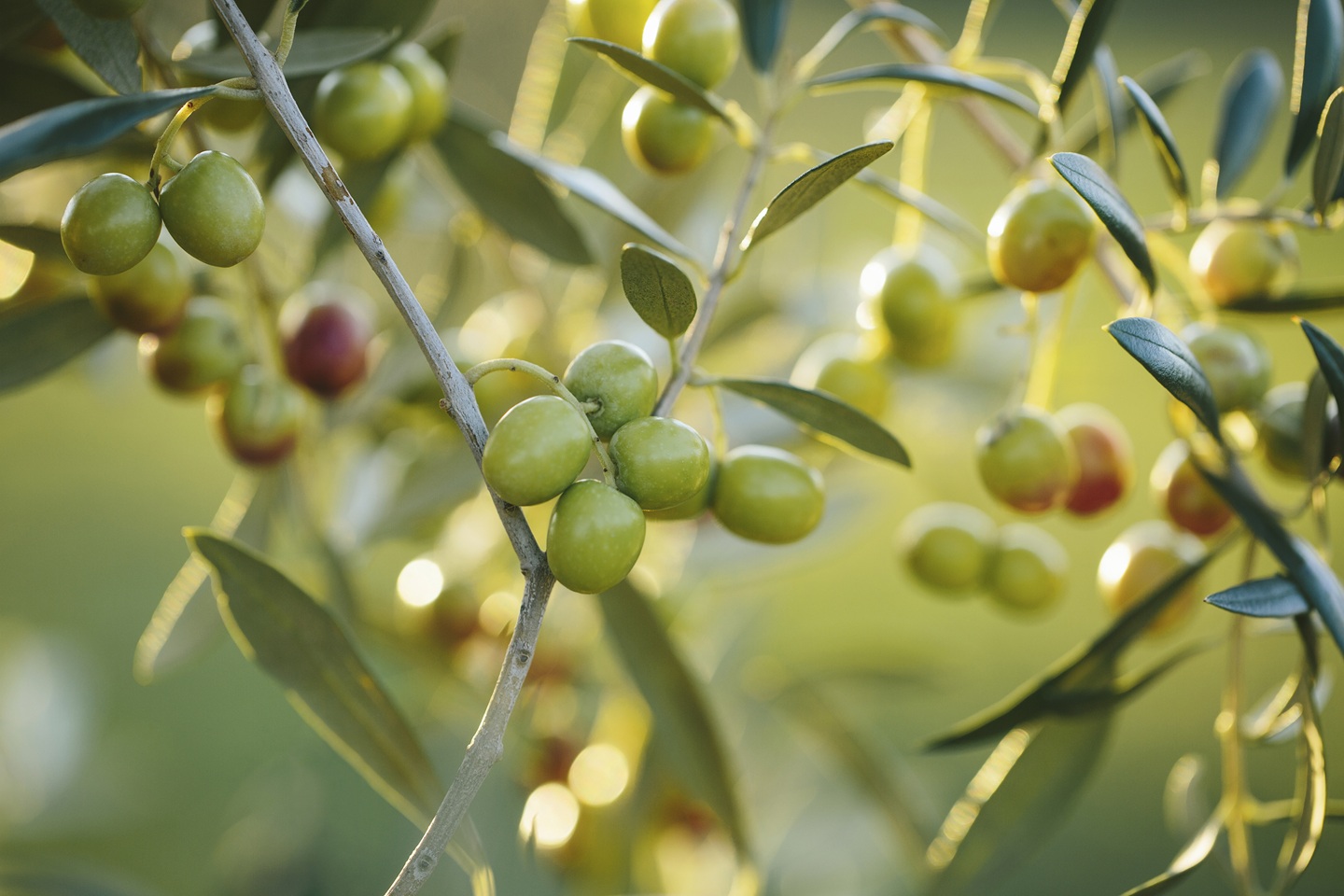
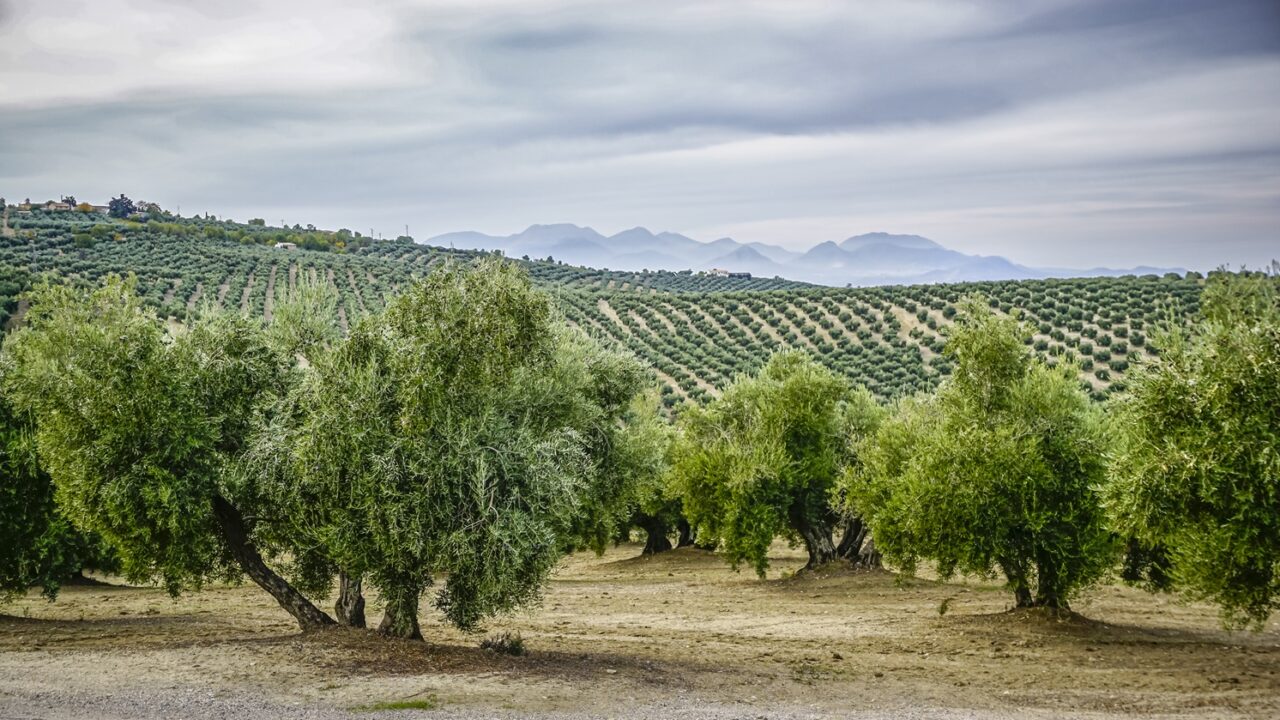
Few crops embody long-term agricultural thinking quite like the olive tree. Capable of living for centuries and continuing to produce as it ages, it is an enduring part of Mediterranean landscapes, farming economies and regional communities.
But the future of olive growing faces significant challenges. There’s increasing threat from pests and disease: like in Puglia, Italy where reports estimate Xylella fastidiosa has killed a third of the region’s 60 million olive trees, which once accounted for almost half of Italy’s olive oil production.1 Meanwhile, heatwaves, prolonged drought and wildfires are adding to the pressure on trees, harvests and growers’ livelihoods, with increasingly unpredictable weather highlighting just how much production can vary between regions.2
Despite these challenges, there is reason for optimism. Research reported by Olive Oil Times3, found that semi-arid olive groves can support biodiversity levels comparable to those in more humid Mediterranean ecosystems. The study, covering 19 olive groves in Spain, Italy, Portugal and Greece, identified more than 1,600 plant and animal species in the groves, suggesting that thoughtful agricultural management can help preserve biodiversity, even in some of the Mediterranean’s driest regions.
Ground cover, native vegetation and wildlife habitats were all identified as having a valuable role to play in maintaining these ecosystems, demonstrating that productive olive groves can also make an important contribution to biodiversity.
Good crop management is equally important to the long-term health and productivity of olive groves. Olive trees have extensive but relatively shallow root systems, making soil health and moisture management particularly important to their development. Supporting healthy root systems, balanced vegetative growth, and successful flowering and fruit development is essential for maintaining productivity, season after season.
Supporting olive trees at every stage
Our dedicated Crop Management Plan for olive trees takes a season-long approach to crop health and productivity, with targeted solutions for the key growth stages: vegetative resumption, bud formation, fruit set, fruit growth and ripening.
The Plan combines advanced plant nutrition with our bioactivation and biostimulation Technologies to address the changing needs of trees throughout the season. The key Technologies include:
EnNuVi Technology – Our award-winning Technology that delivers nutrients enhanced with bioactive polyphenols to optimize formulation performance, nourish and revitalize plants, and activate natural plant defense processes for stronger, healthier development.
FoliFlo Technology – Our concentrated suspension Technology that provides a safe, consistent and long-lasting supply of highly concentrated plant nutrients, helping ensure availability when the crop needs them most.
 Foliarel Technology – This advanced boron-based Technology supports flowering and fertility through formulations ranging from highly soluble boron to nutrients combined in a single molecule, promoting robust plant development and floral fertility.
Together, these Technologies help revitalize root systems, balance vegetative and productive growth, promote fruit set and development, improve fruit quality and strengthen olive trees responses to stress. The Crop Management Plan is designed to support both conventional and organic olive production practices.
Measuring the environmental impact of olive cultivation
As measuring environmental impact becomes another important part of building resilience in the olive sector, The International Olive Council (IOC) has developed a free digital platform, the Carbon Balance Calculation Tool4, to help olive growers and technicians quantify the carbon balance of their groves.
By entering basic information, including grove location, surface areas, olive varieties and agronomic practices, carbon sequestration and greenhouse gas emissions can be estimated. These calculations consider carbon stored in trees, soil and other organic matter, alongside emissions associated with grove management, using methodology specifically developed for the olive sector.
As olive growers continue to adapt to climate change, initiatives like this highlight the importance of recognizing and measuring the positive environmental impact olive groves can make.
Growing a legacy worth protecting
World Olive Tree Day, proclaimed by UNESCO and celebrated on November 26, recognizes the olive tree’s enduring contribution to cultural heritage, livelihoods, environmental sustainability and communities around the world.5
This special day is also a reminder that protecting these remarkable trees requires a long-term commitment. From preserving biodiversity and maintaining healthy soils to supporting growers as they face changing environmental and production challenges, every part of the olive-growing system matters.
- De Michele, S. (2026). ‘In Salento, Xylella turns olive groves into avocado orchards and alarms Europe’. Euronews, 17 November 2026. Read article.
- The Guardian (2026). ‘Price of olive oil expected to rise again as European crops hit by heat, drought and wildfires’. 4 August 2026. Read article.
- Dawson, D. (2026). ‘Semi-Arid Olive Groves Offer Hope for Biodiversity as Climate Changes’. Olive Oil Times, 2 November 2026. Read article.
- International Olive Council (IOC). Carbon Balance Project and Calculation Tool.
- UNESCO. World Olive Tree Day – 26 November. UNESCO. Read article.