
crop management Archives - Page 3 of 4 - FertiGlobal

August 26, 2023
Strawberries’ conference

Donggang: the best strawberries in China

Regularly referred to as China’s ‘first county’ for strawberries, the city of Donggang – in the country’s north-eastern Liaoning province – has more than 80 years of experience in cultivating the ever-popular berry.

As the most established strawberry production zone in China – itself the world’s largest producer and consumer of strawberries – the crop’s planting area in Donggang continues to expand: even the pandemic marked only a blip in production, as production jumped from 9,867 hectares in 2019 to cover more than 13,300 ha in 2021.

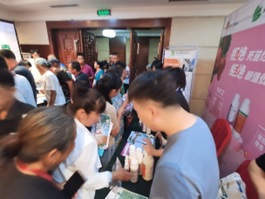
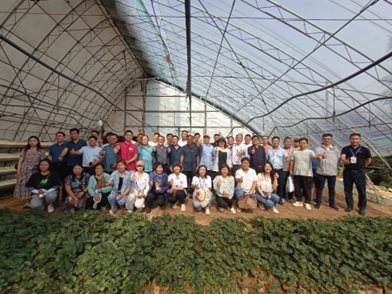
No surprise then that Donggang played host last month to the first China Strawberry Industry Development Conference, a two-day event bringing together the entire strawberry supply chain. On the programme: knowledge exchange, product launches, field visits and networking.
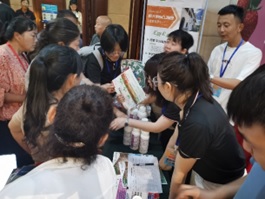
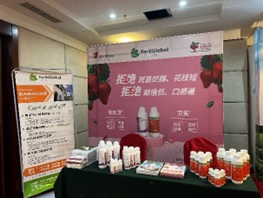
FertiGlobal was there too: we’ve seen some impressive results in Chinese strawberry crops with two of our products, Yinnongwei (Mantus) and Weixiao (Tages). We wanted to share those findings with a wider audience, and what better place than Donggang?

We took the bold step of becoming a co-sponsor of the conference, joining well-known organisations such as Donggang Agricultural and Rural Bureau, the China Horticultural Society Strawberry Branch, and Liaoning Donggang Strawberry Association, to meet more than 600 representatives from 18 provinces and cities across China.

And what a meeting it turned out to be: it’s so encouraging to see our Total Crop Management philosophy, embedded in all our products, receive such good reception whenever we share it with a new audience. Protection of soil, seed, plant, yield or farmer, this crucial aspect is common to every FertiGlobal product. Our products offer protection from beginning to end of a crop’s lifecycle and throughout our customers’ farming businesses.

In both Mantus and Tages are embedded the same innovative, breakthrough technologies – using the best, high quality, bioavailable compounds – that stimulate the crop’s natural defence processes. When we prioritise plant health, we avoid situations that can allow specific problems to develop. Thus there’s no need for individual, specific solutions. It reflects FertiGlobal’s basic tenet – optimising a crop’s yield potential is totally dependent on optimum plant health.

It’s a story that resonated with those at the show, with customers agreeing purchase orders during the event. We’ll look forward to following up with these customers as the season develops: the region produces fruit from November to June, with March through May typically the peak months. Hongyan strawberries are the most famous local variety, thanks to their colour, flavour and consistent quality. They also store well and can be transported long-distances, which is a great advantage towards the end of the season, when they are often the last domestically produced berries available.

FertiGlobal celebrates Tropics world day
June 29, 2023
World days

The future belongs to The Tropics

FertiGlobal celebrates Tropics world day

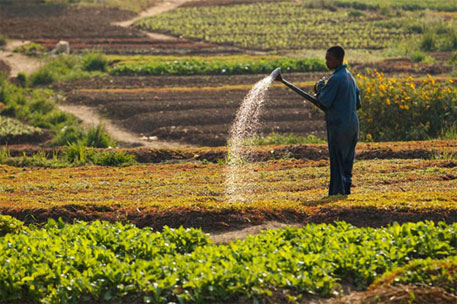
Climate change, deforestation, urbanisation and demographic changes are just some of the challenges facing the tropical region – but each of them also has a direct effect on agriculture.

So the claim – from the UN – that ‘the future belongs to the tropics’ may be a bold one, but it’s valid. By 2050 – when the world’s population is expected to nudge 10 billion – the tropical region will host most of the world’s population and two-thirds of its children.

Bear in mind that the region also has just over half the world’s renewable water resources, that this is the region of the world considered most vulnerable to water stress, and that more people in this region experience undernourishment than anywhere else in the world – and it’s clear that the pressures on tropical agriculture to deliver high yields of quality crops, year after year, are immense.

The UN designated June 29 as International Day of the Tropics seven years ago, in 2014, with the intention of celebrating the ‘extraordinary diversity’ of the region, while highlighting its unique challenges and opportunities.

Unlike many of the UN’s ‘International Days’, the Day of the Tropics carries no annual theme: it’s designed to help people understand the region, to acknowledge its diversity and potential, and to share the region’s stories and expertise.

For us at FertiGlobal, it’s this final point – expertise – that we want most to talk about. We’re committed to providing the world’s farmers with solutions that help them to farm more sustainably, more responsibly and more productively. These objectives, underpinned by FertiGlobal’s innovative approach and often novel perspective on crop nutrition solutions – defined as ‘the FertiGlobal difference’ – have even greater relevance in the tropics.

Countries like India and the Philippines – where FertiGlobal has a strong presence – are firmly in the tropical agricultural zone. Crops in these regions are among the most diverse in the world: cereals, pulses, vegetables, nuts, spices, fruits, and few other regions of the world are so reliant on agriculture not just for food, but for socio-economic reasons: this is smallholder agriculture country, where whole families not only work on their farms but depend on them. But this is another challenge facing tropical agriculture: migration from rural to urban areas depletes the farming workforce, and a growing urban population places ever-greater pressure on a dwindling rural population to meet the demand for food. That’s why maximising crop efficiencies and optimising yields, in the face of coming climate change, is such an important priority for agriculture in the tropics.

At FertiGlobal, we always strive to put the farmer first: by understanding their needs for innovation, for yield optimisation, to reduce their impact on the environment – we also make progress towards our own objectives: delivering crop management for sustainable agriculture.

For this reason we’re proud to support the UN’s International Day of the Tropics: not just acknowledging its potential, but sharing the expertise that’s needed to realise that potential in agriculture.

FertiGlobal WED 2023
June 5, 2023
World days

50 years of World Environmental Day

FertiGlobal WED 2023

Environmental awareness has come a long way since the first celebration of World Environment Day in 1973.

It was December 15, 1972, that the United Nations General Assembly adopted a resolution to designate June 5 as World Environment Day. Announcing the news, the Assembly urged “Governments and the organisations in the United Nations system to undertake on that day every year world-wide activities reaffirming their concern for the preservation and enhancement of the environment.”

That same month, the United Nations Environment Programme (UNEP) came into existence: in the 50 years since, World Environment Day has been the lightning rod to raise awareness and generate political momentum around a host of environmental issues and concerns.

Today, it’s a global platform for taking action on urgent environmental issues, helping drive change not only in the world’s consumption habits but also national and international environmental policies.

Beat plastic pollution in 2023

In 2023, the UN is using World Environment Day for a call to beat plastic pollution. Every year, the world works its way through 400 million tonnes of plastic – and every day, the equivalent of 2,000 garbage trucks full of plastic is dumped. Dumped into rivers, seas and lakes, this has catastrophic consequences, with microplastics pervading food, water and air.

It’s not just food, water and air – it’s our soils, too. At FertiGlobal, we strongly support the UN’s mission to focus on plastic pollution, particularly because of the importance of keeping our soils healthy and free from pollution. Research shows how the presence of plastic in soils can have a deleterious effect on soil health, productivity and biodiversity. Healthy soils mean healthy crops, which in turn produce an abundance of healthy food.

We’re especially pleased with the emergence of a legally binding agreement to end plastic pollution but recognise that agriculture can often be part of the problem. We’re one of many companies for whom plastic plays an important role; indeed, the entire plant protection industry relies on plastics to ensure safe, effective and inexpensive packaging to convey products between their point of manufacture and their application. Use of plastic bottles for our products leads to savings of up to 40% on distribution fuel costs, for example, with resulting reductions in emissions and pollution.

Yet many plastics used in agriculture are, by their nature, single-use. Besides plastic packaging, plastic products used in agriculture include mulch and silage films, irrigation equipment, fruit netting, fleece, and various coatings used for fertilizers and seeds.

Despite the benefits these various plastics bring to agriculture, when improperly disposed of – agriculture accounts for around two per cent of the global usage of plastics – they become a threat to food security, food safety and human health.

At FertiGlobal, we believe in doing whatever we can to reduce and eliminate the environmental issues connected with the use of plastics in agriculture. Our focus is a more sustainable agriculture: that means we must promote sustainability across all dimensions, up and down the value chain.

For our part, we’re already taking steps towards a more responsible use of plastics. For instance, our roll-out of smaller volume packaging not only makes sense in addressing the needs of smaller volume producers, but also directly reduces the volume of plastic we require. We’re also keen to ensure that we’re responsible in helping our customers to do the right thing with plastics: reduce, re-use, recycle, wherever possible.

But re-using or recycling certain agricultural plastics is difficult or impossible. Schemes for collection and disposal of agricultural plastics vary widely between countries, even within Europe. Farmers in France have a voluntary collection and recycling scheme across all products, while in Norway the schemes are mandatory. Research by FAO in 2019 found that many countries have no dedicated pesticide container management plans

Be responsible on your farm

To mark World Environment Day in 2023, and to help our customers beat plastic pollution themselves, we put together some brief pointers:

  1. What are all the ways in which your farm uses plastics?
  2. Which pose the highest risk?
    The FAO has assessed [https://www.fao.org/3/cb7856en/cb7856en.pdf] various agricultural plastic products, compiling a relative risk rating.
  3. Which ones can you do something about?
    For example, polymer-coated slow-release fertilizers have the highest risk – but these are beginning to be superseded by true biodegradable products.
  4. How can you be more responsible?
    1. Be sure to register for any mandatory agricultural plastics collection schemes in your country;
    2. Where mandatory schemes don’t exist, be sure to comply with at least the minimum requirements in your country, but;
    3. Investigate opportunities to go beyond the bare minimum required, and;
    4. Don’t take shortcuts – always dispose of plastics responsibly.

 We can’t avoid plastics in agriculture, but if we’re going to continue to use them – and protect our soils, water, air and health – we have to be responsible.

Why not tell us what you’re doing on your farm? Use the hashtag #BeatAgPlasticPollution to share your story!

April 26, 2023
Stop Food Waste Day

Fight food waste day with us!

It’s one of our most important resources, yet we waste or lose one-third of it.

When viewed at a global scale, the issue of food waste is not only on a par with the biggest topics of our day, but intricately connected with them: hunger and poverty, climate change, and health and wellbeing.

Most of all, it massively affects agriculture’s bold attempts to be sustainable: wasting food is a waste of the energy and resources involved in growing, harvesting, processing and preparing food for consumption. That’s why FertiGlobal is a staunch supporter of Stop Food Waste Day, held this year on Wednesday, 26 April.

Originally set up in 2017 by Compass Group USA, one of the leading foodservice companies, the day has become a global phenomenon with the intention to educate everyone involved in the food chain – that’s the planet’s entire human population – about the importance of adopting new attitudes and behaviours in our approach to food and the way we use it.

And while much of Stop Food Waste Day’s activities are directed further down the food chain – at chefs and industry leaders and food influencers and consumers – at FertiGlobal we’re determined to play our part in helping our farmers, those who produce our valued food, to get the most from their fields and their crops to help reduce food waste ‘at source’, as it were.

That’s because our products focus on protection. Soil, seed, plant, yield or farmer – our products are designed to offer protection from beginning to end of the crop life cycle, using our Total Crop Management philosophy.

Why is that important? Firstly, it’s the obvious: farmers want to ensure they get the most from their crop. It’s an investment from which they want the best return. Total Crop Management, with its holistic approach, looks at the crop’s entire lifecycle. Realising yield potential is dependent on optimising plant health: a healthy plant delivers not just a healthy yield, but a marketable yield. Because potatoes that are too small, or lettuces that are too ‘leggy’, might not even make it out of the field and certainly won’t get beyond the farm gate. That’s one of the first ‘stations’ on the route to wasting one-third of the food we produce.

Secondly, we recognise that for the produce that does make it beyond the farm gate, farmers can’t control what happens to it. Its fate is in someone else’s hands. But, by exercising their choice in product selection, they can invest beyond the farm gate. Shelf life, resistance to moulds, less susceptibility to damage during handling and processing – all these desirable characteristics are concurrent with a healthy plant that’s had its natural defence processes stimulated by our high quality, bioavailable compounds.

FertiGlobal products are an investment in the food chain. We’re helping to minimise food waste and, in so doing, bring about the more sustainable, more profitable and more productive approach to agriculture that will help alleviate those interconnected topics previously highlighted.

What can you do to raise awareness of food waste? What attitudes and behaviours can you change, either in yourself or in others? To find out more, and access all the resources and more inspiration, go to the Stop Food Waste Day website.

Fight Food Waste with us!

FertiGlobal ginger management in India
April 13, 2023
FertiGlobal’s difference

Ginger: the spicy cultigen

Ginger: what’s the first thing that comes to mind when you think of this fragrant spice? One of the oldest spices known to man and used in different ways throughout the world, your ginger ‘preference’ – a drink, a cooked dish, baked goods, a snack, perhaps a medicine – will give a good indication of where in the world you come from.

Ginger’s been cultivated by humans for so long that, like staple crops such as wheat and maize, it’s become what’s known as a ‘cultigen’: a plant that’s been bred and domesticated into a form that doesn’t exist in the wild. And while ginger is still a relatively minor crop – annual production tops out at about 4.3 million tonnes – it’s considerably more plentiful than pepper, at around 750,000 tonnes, often said to be the world’s most popular spice.

What’s FertiGlobal’s interest in it? Well, most of the ginger grown in the world today – around 4.3 million tonnes – is grown in India. We’ve talked before about our fascination with this important agricultural country. Ginger’s just one of the many crops that contributes to India’s agricultural diversity and, with many of India’s farmers moving beyond the traditional ‘homestead’ farming practices, there’s a real appetite for adopting new and more productive practices.

Overhauling ginger’s agronomy is one such example. But we also like to demonstrate how, through our growing global network of partners and distributors, FertiGlobal is developing solutions and sharing knowledge about all crops, not just the half dozen or so that usually attract most of the attention.

Ginger’s also a great example of our total crop management approach: how we think about every crop throughout its lifecycle. With a preference for a warm and humid climate, ginger can be particularly susceptible to fungal diseases. But, as we know, a plant that has satisfied its nutritional requirements will be better placed to stimulate its own natural defence processes: in other words, a healthy plant will stay healthy.

For example, current agronomic practices in India often encourage use of toxic chemicals whose use in the EU is now banned, such as mancozeb; severely restricted, such as malathion; or which have never been licensed, such as the antibiotic streptocycline. While little of India’s ginger production ends up on the world market – despite being the largest producer, it’s only the seventh-largest exporter – if India is to realise its ambition to compete in agricultural markets worldwide, its farmers must abstain from using such outdated crop protection solutions.

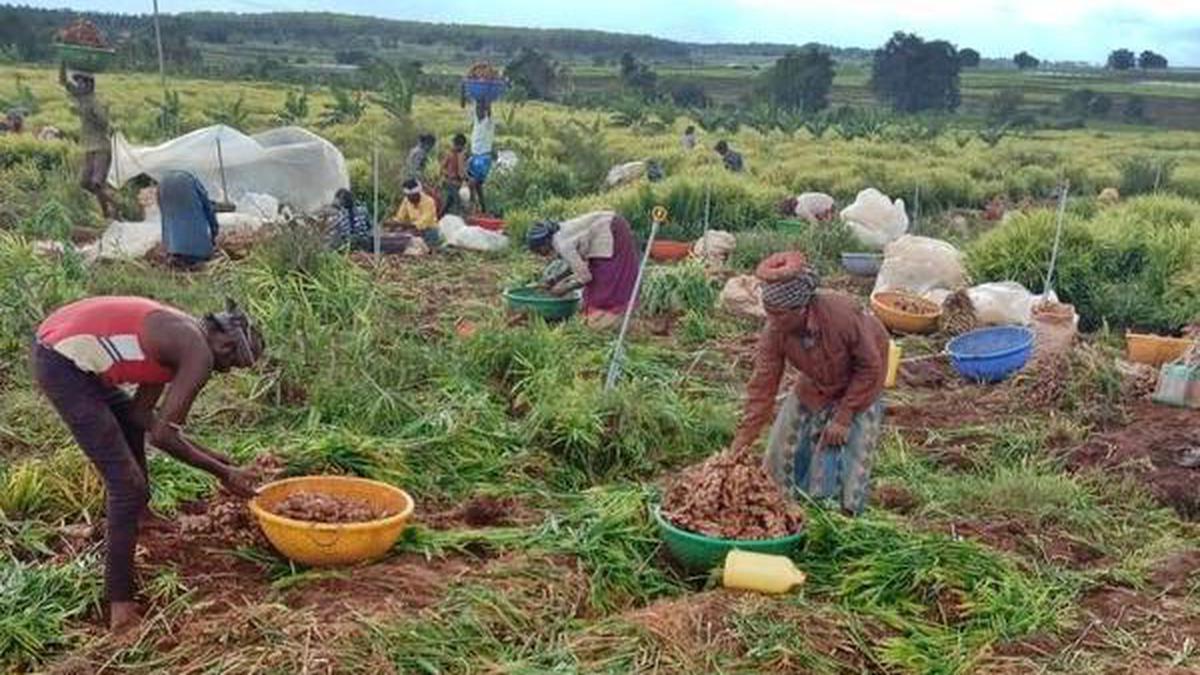
That’s why, in conjunction with SCL Commercial India, we undertook trials last year to examine the effectiveness of Dinamico+Nixi on ginger. Good leaf growth, strong vigour, healthy leaves and improved productivity were the results – and all without using dangerous chemicals that pose risks to farmers, consumers and the soil itself.

It’s another great example of the FertiGlobal difference.


FertiGlobal four pillars
November 23, 2022
four pillars of FertiGlobal

The FertiGlobal difference – part 1

FertiGlobal is a fertiliser company with a difference. We’re committed to providing the world’s farmers with crop nutrition solutions that help them to farm more sustainably, more responsibly and more productively.

But what is that difference all about? How do we define what makes Fertiglobal special? In this four-part blog, we’ll share with you the ‘four pillars of FertiGlobal’ – what makes us tick, and why our products are more than ‘just another’ set of crop nutrition solutions…

We’ll start with Commercial: how we tackle our business and why we’re good at what we do.

We value our team

Behind every great business there’s a great team. FertiGlobal is no exception. Our philosophy has always been about having ‘boots on the ground’. That’s why we recruit highly qualified specialists to work in key geographies around the world. It’s these people who work closely with our carefully chosen distributors, spending time with them to understand the local challenges and their place within the global perspective. Only by hearing – first-hand – suggestions from our partners and growers can we translate them into viable – and sometimes novel – crop nutrition solutions.

We prioritise growth

With good products comes good business. We stand by our efforts to develop crop nutrition solutions that are based on sound science – recognising the essential role of nutrients and biostimulants, applying a full understanding of crop biochemistry and physiology, and focusing on the plant’s natural defence mechanisms. The result? Advanced crop management programmes that protect yield and assure quality, inspiring trust and loyalty to support our own customers’ businesses and grower relationships.

Flexibility works

We’ve built a smart and efficient global structure, where key figures around the world take responsibility for reacting to the challenges they find. We can answer every demand from the market, in quick time. This underpins our ambition: that FertiGlobal should be the ideal partner for every grower, every distributor – wherever they are in the world – in delivering a more sustainable agriculture.

Traceability means reliability

We’ve invested heavily in full-chain assurance. This means that every one of our crop nutrition solutions used on-farm by a FertiGlobal grower can be traced back, through every stage, to its raw materials. Our full confidence in our supply chain means full confidence for our growers and distributors in the provenance, quality and efficiency of every one of our products, wherever in the world it’s used.

Those are our Commercial values. Next time, we’ll look at how our marketing team supports our products to keep our distributors informed and our growers satisfied.

November 19, 2022
News from India

Our Indian partner awarded

India produces approx 1.7mt of chillis every year!

Which is probably why it was a hot topic at the farmer meet Raj Agritech Pvt. ltd. recently!

We were happy to join the proceedings and see progressive farmers receive awards for their work.

November 16, 2022
Field trials

Field trials in The Netherlands

Another exciting EnNuVi trial!

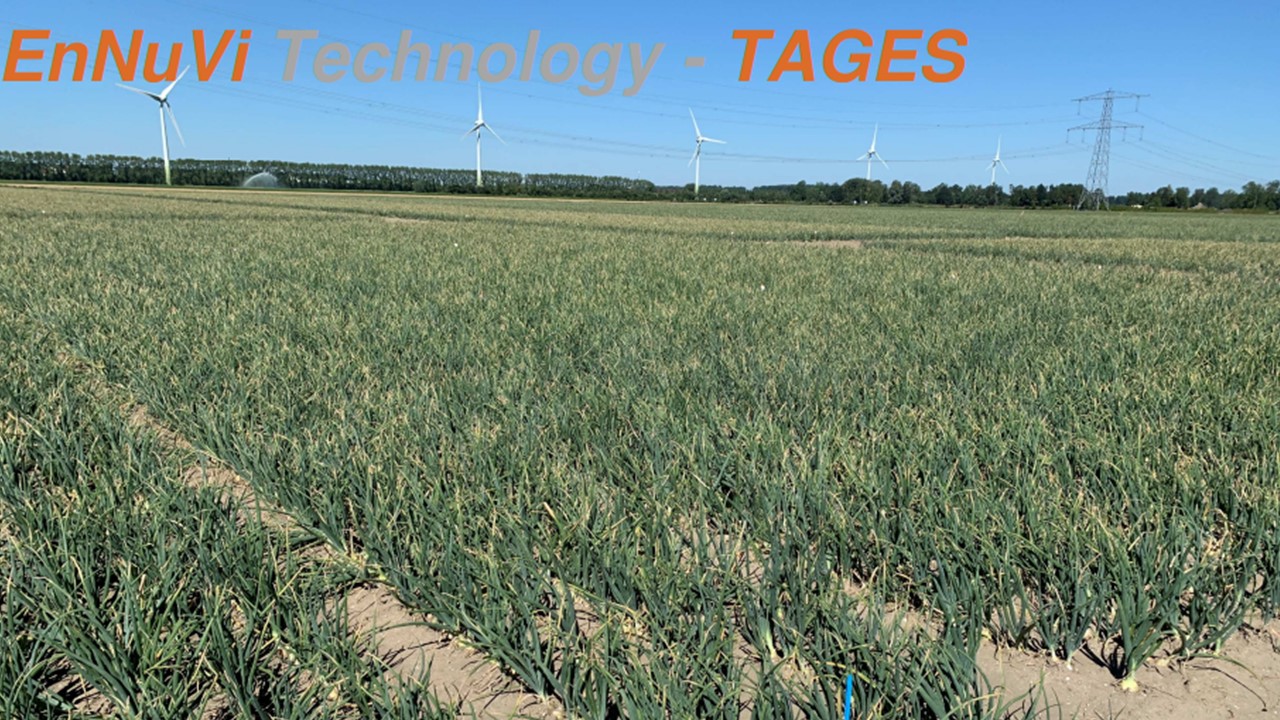
This time EnNuVi Tages is being trialled on an onion crop in the Netherlands.

This project has been set up with our partner, CEBECO-Agrifirm, to monitor the impact our cutting edge Crop Nutrition technology can have on the crop.


November 7, 2022
Philippine market

Bigay Tibay

Wishing our Philippine team Good Luck with their Crop Management programme launch Bigay Tibay (meaning Give strength, give stability, strong foundation).

The team met for their first face to face meeting last month and are excited to be launching four new FertiGlobal products to the market including Turan, Semia, Nemes and OK.


October 31, 2022
Field trials

Ginger plants treated with FertiGlobal Crop Management Program

Good leaf growth, strong vigour, healthy leaves and good productivity.

All evidence of the effectiveness of our products on this ginger plant trial in India.

Plants were treated with a combination of Dinamico+Nixi – and the results speak for themselves.


Translate »