
Noticias Archives - Página 3 de 32 - FertiGlobal

octubre 28, 2024
Indian market

The Apples of Kashmir

It’s known as ‘the fruit bowl of India’ for good reason. Here in Jammu and Kashmir, in the northernmost region of the Indian subcontinent, horticulture contributes nearly 10 per cent to the state’s GDP.

Fertile soils combine with a variety of climate conditions to favour a diverse crop of fruits, vegetables, spices and flowers. Citrus, pomegranates, lychees, almonds, tulips, walnuts and even high-value saffron are the bounty of the region’s farmers.

But it’s apples that are the undisputed leader, for it’s here that more than 75% of India’s apples are grown. Yet despite the crop’s value, farmers are not without their challenges – disease, climate change and various economic hurdles among them.

It’s for this reason that FertiGlobal has chosen Kashmir for the launch of our Apple Crop Management Program (ACMP). We’ve talked in previous articles about how our ‘boots on the ground’ philosophy pays dividends: being out in the field regularly, seeing those end-user challenges first-hand, gives us our own reality check. And it’s from these regular visits conducted by our Global Business Development Manager, Claus Brakemeier, that we’ve come to appreciate the real appetite amongst Indian farmers for new technologies that can deliver better crop quality and production.

“Farmers want to understand how they can deploy new methods and techniques, particularly with regard to nutrition, to help them upscale productivity,” says Dr Rajesh Kumar Sharma, FertiGlobal’s Technical Manager in India.

“They’re looking for safer ways to manage their crop. The currently accepted crop management schedule is pesticide intensive, which not only poses environmental hazards but can also lower product quality,” Dr Sharma points out.

Farmers’ reliance on crop inputs has been highlighted by the region’s politicians, with one recently expressing concerns over the sale of unapproved or even fake fertilisers and pesticides. Farmers using these have suffered crop losses and soil degradation.

“The fact remains that India holds the world’s second-largest area of apple production, yet is ranked fifth globally in productivity: 7.5Mt/ha versus a world average of 15.5Mt/ha,” says Claus Brakemeier.

“India has fair scope to improve its apple productivity, given that the world’s best figures are at 44Mt/ha and 40.1Mt/ha, for France and Italy respectively.

“The secret lies in stress mitigation and stage-specific apple nutrition, with a focus on calcium and magnesium,” he continues, “and it’s this that forms the basis of the Apple Crop Management Program.”

At the heart of ACMP lies EnNuVi Technology-based products such as Mantus and Cautha. These products embody EnNuVi’s bioactivating Technology, with its unique ability to trigger and control crops’ defence and resistance mechanisms.

By turning on and off certain plant genes, EnNuVi Technlogy offers a robust stress mitigation strategy. Prevention being better than cure, crops treated in this manner are strong enough to defend themselves against pathogenic attack, removing or reducing the need for chemical intervention.

The launch of the Apple Crop Management Plan follows earlier visits to the region by Mr Brakemeier, and the completion of a FertiGlobal-sponsored study, “Biotic Stress Management under Agro Climatic conditions of North-Western Himalayas of Kashmir (India)”, conducted by Sher-e Kashmir University of Agriculture, Science and Technology, Shalimar (Srinagar) (SKAUST-K).

It builds directly on insights shared by Kashmir’s apple growers as well as SCL Commercial India, which represents FertiGlobal in India. ACMP links FertiGlobal’s research-based Technologies to the support that farmers need, as more than 300 progressive farmers and agri-input traders were told at an invitation-only event to mark the launch of ACMP.

Delivering his inaugural speech, the Chief Guest Dr Nazir Ahmad Ganai (Honourable Vice Chancellor, SKAUST-K), welcomed the presence of FertiGlobal and Mr Brakemeier in the region. In particular, he called out the ‘overwhelming impacts’ of abiotic stresses on the growth and productivity of crops, noting that they in turn posed a threat of the biotic stresses of fungi, bacteria and viruses. Together, this combination could ‘develop constraints to food security worldwide’.

Continuing, Dr Ganai expressed his delight at the partnership between SKAUST-K and FertiGlobal, hailing the exchange of ideas, discussions among experts, and the import of ‘world-class technologies’ that would help address the challenges and identify the opportunities in sustainable, quality apple production.

Dr Rifat Bhat, SKAUST-K’s Project Leader for the FertiGlobal partnership, shared her own experiences and observations of FertiGlobal Technologies in the research project. She explained how the concept of stress mitigation is holding up favourably in the field, producing consistent results. She also shared her opinion on how FertiGlobal products were influencing key metrics, including crop vigour and apple quality, notably colour, shape and size.

“This was a unique event bringing together the scientific community, distribution partners, progressive farmers and, importantly, the local media that’s key to knowledge transfer and mobilisation,” concludes Dr Sharma.

“The event emphasised the need for advanced nutrition technologies and how FertiGlobal, through combining scientific endeavour and commercial wisdom, is becoming a valued partner to Kashmir apple growers in their pursuit of improved apple crop productivity.”

Dr. Rajesh Sharma (at the right side), together with mr. Tanveer, Country Manager SCL India (in the middle), and mr. Deepak, Sales Manager SCL India (at the left side)
septiembre 25, 2024
FertiGlobal’s patented EnNuVi Technology

Making the right impression with EnNuVi

You only get one chance to make a first impression, so the saying goes, and nowhere is that more applicable than with biological crop inputs.

Few would dispute that ‘biologicals’ – crop inputs containing, or derived from, naturally occurring substances such as microbes, or other plants – are on the rise. Yet the current generation of products owes much of their ascendancy to sustained work by manufacturers and developers to dispel the ‘backyard bathtub’ image that many growers associate with non-standard crop protection products.

Frustratingly for those with a focus on viable, non-conventional inputs, growers have often been right in their assessment of some of these ‘alternative’ products. Why? Because too many of them simply have not lived up to their claims. Once bitten, twice shy: growers became suspicious and doubtful about biologicals’ ability to deliver.

Knowing this is half the battle. At FertiGlobal it’s constantly in our minds. But we have one critical advantage: we are driven by a resolute commitment to research, using science and data responsibly, to develop technically robust products that can deliver clear results for growers.

That’s especially important to us because our products are not ‘standard’ biologicals.

Of course, our R&D activities are not just limited to the lab. We need to test and check our products under field conditions. And that’s what led us to Germany this year, where we’ve been delighted with a new set of trials, conducted under the watchful eye of the Bavarian State Research organisation.

Specifically, these trials examined the performance of EnNuVi in typical German crops, under typical conditions. EnNuVi – an acronym of Enhance, Nurture, Vitalize – is a worldwide patented bioactivating Technology that has a unique ability to trigger and control plants’ defence and resistance systems. EnNuVi Technology based products regulate and influence the genes in the plant, helping to protect it from stress events. Its molecule of essential plant nutrients, active polyphenols and selected natural ingredients helps the crop to grow, healthy and strong, to reach its full yield potential.

What’s really special about all EnNuVi Technology based products is that by boosting a crop’s natural defence systems, they can significantly reduce pesticide use. That meets the central tenets of FertiGlobal’s philosophy: reducing farming’s impact on the environment, and ensuring farmers can deliver high-yielding, high-quality output without requiring excessive resource use (EnNuVi also reduces crops’ water consumption).

Focused on potatoes, these trials in Germany were demonstration trials, carried out on commercial farms and designed to open farmers’ eyes to EnNuVi potential.

Across five farms, the trials included:

LG Oettersdorf*

Left: standard practice + Mantus and Thesan; Right: standard practice

The farmer put 10ha of his potatoes into the demo trials, one-tenth of his total potato area. The picture shows the variety Lilly, one of 40 varieties grown at this farm.

The farmer reported that plants treated with EnNuVi were more stable, an observation confirmed during subsequent assessments.

Five different fungicides were used to check EnNuVi Technology based products.

Agrahof Gospersgrün  

 Overview of ware potato trial

A farm growing 14 varieties of potatoes, with a similar fungicide programme.

LWB Dziabel 

Plot ware potato trial

This farm also grows Lilly, a popular variety, alongside crops of Laura, Bellana and Afra, of which 0.4 ha was given over to the trial. This farmer also trialled EnNuVi on a crop of leeks, with clearly evident results.

Agrargenossenschaft Lößnitz-Stollberg* 

Left: standard practice + Mantus and Thesan; Right: standard practice (sample taken from one plant)

Another multi-variety farm, here Baltic Rose and Milva were cultivated with EnNuVi.

Agrar Dresdner Vorland

Left: standard practice + Mantus and Thesan; Right: standard practice

 Five hectares of Laura were treated with EnNuVi. The participating farmer was so happy with the results, that he wants to apply EnNuVi to the rest of the crop

(*) farms producing seed potatoes. The others are producing ware potatoes.

Notes and observations:

  • Across all sites, vegetative growth was complete
  • Flowering partially completed
  • Climatic conditions: wet
  • Fungicide application internal was 7 days (Lößnitz-Stollberg: 5 days)
  • Phytophthora disease stress was high. Where EnNuVi was applied, less disease stress was observed
  • EnNuVi-treated crops yielded potatoes that were significantly wider, larger and uniform, across the 35-40mm size standard
  • All farmers were satisfied and convinced with the effect of EnNuVi, with only one neutral opinion (Lößnitz-Stollberg).

Fantastic results: simple but effective, measured and easily reproducible, it’s trials like these that can – without showy or excessively confident claims – win back farmers’ belief and interest in bringing real alternative products into their farming systems, and give them the insight they need to be assured that they’re making a good decision.

And it’s also great for us at FertiGlobal. In the coming months, we’re going to put new focus on EnNuVi and strive to define the best positioning that will deliver best value to the grower.

We believe the EnNuVi value proposition should be to protect crop yields through more resilient plants, under any adverse conditions – thus protecting farmers’ investments.

This is our contribution to the sustainability and quality of crop production.

agosto 22, 2024
FertiGlobal Crop Management Program in California

Time for Navel-raising

Total Crop Management is the FertiGlobal approach: the acknowledgement that a crop that wants for nothing is a healthy crop. And without a limiting factor, a healthy crop can put all its energy into yield.

What’s the first thing that comes to mind when talking about ‘teamwork’?

Your first thought is probably along the lines of ‘interaction between colleagues’, or ‘collaboration’, or ‘working towards a common goal’. And you wouldn’t be wrong.

But why can’t we have teamwork between products, too?

That’s often the thinking that guides FertiGlobal’s research and development team. Most recently, they’ve put it into action with a Total Crop Management programme that focuses on the Navel orange.

Navel oranges – generally considered ‘eating oranges’ – are one of the world’s most popular citrus fruits, with around 50 different varieties. Originally discovered as a mutation in Brazil, in 1820, the fruit really is named after its similarity to a navel: a genetic mutation causes a small secondary fruit to grow within the main fruit, causing a characteristic hole at the blossom-stem end. Fortuitously, the same mutation also makes the fruit seedless, adding to its appeal.

First introduced into California in the 1870s, the popularity of the Navel orange grew and grew. Today, as one of the world’s preferred varieties of orange, it’s cultivated on every continent. But California remains its powerhouse location. According to California Citrus Mutual, the sector’s representative body, nearly half of the state’s total citrus area – 111,000 acres – is planted with Navel oranges.

Into this dynamic sector comes FertiGlobal, with its Total Crop Management approach. We were approached by an independent research organisation to conduct trials with three FertiGlobal products, in a bid to see how our innovative and unique technologies could boost three vital metrics associated with citrus-growing success.

  • Fruit Set: Citrus bloom is profuse. The average adult tree can produce up to 200,000 flowers a year. Clearly no tree can maintain and develop that many fruits; only around 1-5% of flowers will lead to harvestable fruits. But it’s important to optimise that number.
  • Fruit Size: Most growers will see this as the most important factor for maximising returns. It comes down to consumer preference: smaller fruits (below 65mm) are more difficult to sell than large fruit (above 72mm).
    What’s more, crop load – the number of fruit set – is inversely related to fruit size.
  • Yield: No explanation needed. Whatever crop they’re growing, every grower wants to get the best yields.

The researchers combined three of FertiGlobal’s key technologies, focusing the intended effects on delivering a healthier crop with increased yield and higher quality:

  • EnNuVi combines nutrients with bioactive polyphenols (nutrient polyphenolic molecule), going beyond nutrition to provide both a physical barrier and bioactive plant defences together letting the plant use the energy for more production and better fruit quality. Semia was the chosen product.
  • Foliarel uses boron to boost the effects of plant nutrients, as well as focusing specifically on flower fertility and pollen viability, ensuring high fruit set. Here, OK was proposed.
  • Foliflo features microparticle nutrition: a suspension of <10µm and <20µm, they’re optimised for plant uptake while assuring growers of very low phytotoxicity. For the trials, Nixi was applied.


“We had fantastic results with your program.”

That was the feedback from Sawtooth Ag Research, a leading agricultural research company based in California, following a 2022 trial. The company seeks out innovative crop production solutions, conducting field trials and experiments through collaborations with farmers and other industry partners.

FertiGlobal’s products were of particular interest: Sawtooth focuses on sustainability and efficiency, in a bid to optimise crop yields and quality.

The results speak for themselves. On a crop of Navel, cv Thompson Improved, just look at the specific metrics:

Weight: Semia/OK/Nixi programme

FertiGlobal trial orange - weight

Bins: Semia/OK/Nixi programme

Grower return: Semia/OK/Nixi programme

These results followed applications of the three ‘teamwork’ products at the following timings and rates:

  • Solo application of Semia: petal fall (13.7fl oz/acre, 1l/ha)
  • Tank-mixed application of OK (0.45lbs/acre, 0.5kg/ha) + Nixi (20.5fl oz/ac, 1kg/ha) at 30 and 60 days following Semia
  • Solo application of OK every 30 days (0.9lbs/ac, 1kg/ha)

We were delighted, not only to have such reassuring results but also with the very positive feedback from an independent research outfit. It’s further encouragement to our team that their ambitions to support plant health and productivity are, literally, bearing fruit.

For more information about finding the right Total Crop Management approach for your crop, don’t hesitate to get in touch – either with your local FertiGlobal distributor, or here through the website.

julio 16, 2024
FertiGlobal strategy in Brazil

The Brazilian Connection

It’s in the name: FertiGlobal. Not just a fertiliser company with a difference, but one that’s making that difference worldwide, as our recent reports from South Africa illustrated.

 Tasked with leading that charge is Claus Brakemeier, FertiGlobal’s Business Development Manager. He’s understandably excited about tackling Brazil, the largest agricultural market in South America…

Brazilian convention 2024
FertiGlobal Top Management during the Brazilian convention 2024: (from left) Claus Brakemeier, Business Developer Manager; Gabriele Mongiusti, EnNuVi Project Director; Alessandro Pellero, Larderello Group General Manager; Cristiano Fontaniva, Agrigento Technical Manager; Matthias Griesbach, Global Sales Director; Joao Ivo Lima, Agrigento Specialty Manager


From market takers to market makers. That’s the summary of our entry into Brazil, where we started off by acquiring a company – Agrigento, in 2019 – and are now, after hard work and investment in developing our existing offering to match the needs of Brazil’s farmers, on the cusp of something truly exciting.

While Agrigento and its crop nutrition brands had become well-known across Brazil, we knew we needed to enact a different strategy to align the business with our own, proven approach to crop nutrition and customer service.

Why? Because FertiGlobal’s products are different. As we’ve explained before, we come at product development from another perspective: that of prevention, rather than cure, subscribing to the view that a healthy crop is highly capable of defending itself against pest and disease threats as well as the threats imposed by abiotic stresses.

Our crop nutrition solutions are based on sound science – the science of plant biochemistry, physiology and nutrition – and holistic principles that look at the bigger picture. It’s not our way to focus on specific solutions that can only solve specific problems.

This is our Total Crop Management approach, a way of thinking that encompasses the whole lifecycle of plants, crops and crop stages. But it’s because it’s a different way of thinking that it requires a different approach in the market.

So that’s what we’ve finalised in Brazil this year. A new structure in which we can deploy a new strategy, uniting commercial sensibilities with our commitments to quality, crop protection, the environment and – most importantly of all – the farmer.

Brazilian farmers are well-informed and efficient in their practices. Agricultural research has played a vital role in the growth and success of the country’s agriculture – which is why we have not only emphasised FertiGlobal’s R&D driven philosophy within our Brazilian strategy but also put trials and demonstrations at its heart.

Leading the charge is our EnNuVi technology. This patented ‘bioactivator’ technology is at the heart of our mission to help make agriculture simultaneously more sustainable and more productive.

But a locomotive alone makes no sense. That’s why EnNuVi leads a whole rake of coaches – FOLIFLO, FOLIAREL and ACES among them – to create with Brazilian farmers a complete Crop Management Vision.

Brazilian farmers are technically competent. In many cases, we find them better informed than farmers in advanced farming areas such as California, or northern Europe. Their familiarity with agrochemicals is behind this competency, because the agchem multinationals have been active in South America for several years.

We’re using that competency to ‘slot in’ with our own bioactivating technologies. Because they’re science-based, like agchems, it’s easy for us to take the same approach and use farmers’ understanding of science to demonstrate how our technologies work, and why they make sense.

That’s the thinking behind our Brazilian demonstration farms. Aimed squarely at farmers and their advisers, these are being run by our ‘market developers – team members with specific technical responsibility, reporting to our speciality fertiliser manager. The same science-based approach also allows us to confidently explain to farmers the modes of action and product active ingredients. That’s in contrast to many other companies’ approaches to biostimulants. Often, they don’t know enough about the science of their products to share such information.

Our market developers know the agronomic efficiency of our products inside out. In demonstrating them side-by-side with conventional programmes, farmers see for themselves the value of the Total Crop Management approach. Crucially, our demonstration farms are real, working farms. Every decision made in those trials is based on agronomic intent and margin, rather than product promotion or commercial sway.

So, when the host farmer sees the (all too favourable) results, it’s his experience and opinion that he shares with his neighbours, supported by our speciality fertiliser manager. And in the same way that seed coatings are now standard practice for  several crops, and no-one needs to convince a grower of their value, so too we can make EnNuVi the ‘go to’ product for crop stress relief.

What will help drive this is government policy, too. We’ve seen it in the Netherlands, where the government’s adoption of more sustainable measures in agriculture has created curiosity – and ultimately demand – for new, tech-driven solutions. That’s already happening in Brazil, which is why we think it’s one of our most exciting markets.

This is a market that’s open to innovation, and that’s why we’re adopting such a bold strategy – to be active in crop protection without recourse to ‘crop protection chemicals’. We can do all that we want to do by helping crop plants better deal with the stresses they’re subjected to – and that will continue to be our focus, whether in Brazil or anywhere else that FertiGlobal is active.


mayo 27, 2024
Report from global tour

Why simple works

Africa was the focus of our last blog, when FertiGlobal’s Business Development Manager Claus Brakemeier explained how our partners are crucial to the success of our products. In this second part of our Africa focus, we’re taking a closer look at the products finding favour with Africa’s farmers.

How do you launch products in a country where the farmers, without exception, are unaware of the FertiGlobal brand and its speciality crop input portfolio?

In fact, it’s not just the FertiGlobal portfolio of which they have little awareness. Farmers in our three ‘market entry’ countries – Zambia, Zimbabwe and South Africa – have little awareness of any speciality products, because they’re not using them. Compared with Europe, or Latin America, there’s very little market penetration of this crop input category in southern Africa.

At first glance, that might appear to make any kind of market entry an uphill struggle. But that’s exactly why we’ve been very careful to select the right products to make the right introduction.

No matter where they are in the world, farmers are understandably cautious about the claims attached to novel products and new categories. As the saying goes, you only get one chance to make a first impression; in farming, that translates to ‘you only get one chance to make the right decision’.

A product’s failure ‘to do what it says on the tin’ not only destroys trust in a category, but also directly affects a grower’s bottom line. At best it’s an unrealised return on investment; at worse, a potentially serious loss of yield.

That’s why FertiGlobal evidences all its product claims with full trial data. Farmers need this vital reassurance to give them full confidence in the provenance and performance of every product they choose to use on their crops.

Many farmers in this region already recognise that their crops are falling short of their yield potential, and that crops have yet to reach European standards of productivity. In many ways they’re hampered, though, because distributors do not carry the specialist products, such as biostimulants, that European farmers are so enthusiastically adopting.

Growers will often admit themselves that there’s a need for better knowledge mobilisation, too. Their uncertainty about which products to use, and whether they’ll offer a good return on investment, further dissuades them from stepping outside their product comfort zone.

Against this background, we decided to keep things simple. That’s why we’re blazing a trail into this region with just four key products: Mantus, Dinamico, Colore and OK. Well-known, well-proven products, they have been the subject of repeated, extended, widespread trials in many different crops and countries. We know exactly what they can do.

Keeping it simple means using these four products to demonstrate the concept and potential of FertiGlobal’s Total Crop Management approach, with a well-structured knowledge transfer programme run in partnership with Bancella. These four products also provide farmers with a comprehensive use case on the region’s key crops: tobacco, still of major economic importance in this region, vegetables, wheat, soybeans, blueberries, citrus, peas and potatoes.

In addition to Bancella’s role in helping FertiGlobal to secure registrations across the region, I’ve also been impressed by the enthusiasm shown by local agronomists and pest control advisers (PCAs). Brian Hayes, a well-respected and renowned PCA working with tobacco growers in Zimbabwe, has reported very positive results from his early trials with Mantus, one of our EnNuVi-enabled products. Here, a single application of Mantus at 1l/ha led to great result in fighting off Cercospora (frogeye).

Elsewhere in Zimbabwe, farmer Keith Butler is trialling OK on non-irrigated soybeans. While the crop has been under water stress, Keith reported that the area treated with OK – from our Foliarel technology range – has seen a marked improvement in plant development. We’re awaiting the harvest analysis to assess whether the visual cues extend to yield improvement too.

I can’t wait to share some further results from this region as we make progress in communicating the benefits of FertiGlobal’s Total Crop Management programmes to local farmers and their advisers. After all, this is an area with huge agricultural potential: its farmers just need the right tools and sufficient knowledge to help them realise it, sustainably and efficiently.

abril 24, 2024
Report from global tour

Why FertiGlobal values its partners

A trip to South Africa beckoned for Claus Brakemeier, FertiGlobal’s Business Development Manager, in March. Here he explains what took him there.              

Sustainability, productivity and profitability: three of the key benefits ‘hard-wired’ into every FertiGlobal product.

But every one of our products – which all focus on protection, whether that’s of soil, seed, plant, yield or farmer – also comes with significant customer technical support. That’s in place to help farmers better understand our holistic concept of ‘Total Crop Management: the idea that optimising a crop’s yield potential is totally dependent on optimum plant health.

Every nugget of technical support has its origins in our R&D function. But how does that reach the farmer in the field, to give him or her the essential grasp of a FertiGlobal product?

Of course, there’s always the internet. Our website is a veritable treasure trove of technical guidance, essential trial results, and the all-essential regulatory information. Together, this provides an important backstop for any of our customers, wherever they happen to be in the world.

The internet, though, is only part of the story.

What really makes the difference is who we partner with to bring our products to end-users in new countries. These partners are vital in ensuring that our products reach the right audiences, with the right messaging, and with the right support to see them perform just as we intended when we developed them at our R&D facility in Italy.

Bancella, our partner in this region, is well-known for its commitment to bring new technologies to farmers – especially those that will allow agriculture to realise a more sustainable future in its key mission of feeding the world.

We’re delighted to be working with a partner who shares our beliefs. It was a pleasure to spend time with them, and their own regional partners, to get to grips with the agricultural zeitgeist in the region. As well as South Africa, we also visited Zambia and Zimbabwe.

Soybean field in Zimbabwe
Potato field in Zimbabwe
Blueberries field in Zimbabwe
Meeting at York Farm in Zambia
Meeting with our distributor Amiran in Zambia


Having a partner like Bancella on the ground is particularly important for securing registrations in an efficient and timely manner. Anyone familiar with registration of crop inputs will know the spectrum of legislation across different countries, from ‘light touch’ to stringent.

Right now, Bancella is just beginning our market development across the region. In South Africa itself registration takes up to a year, with one in progress and five more in preparation, but in both Zambia and Zimbabwe the process is swifter: we have already registered seven and four products respectively.

What’s been really heartening to see is the sheer interest not only in FertiGlobal products but also the appetite from farmers and their advisers for solid, reliable technical information.

During my visit, I worked with Bancella’s local distributors to share with their advisers the key messages that lie behind FertiGlobal products, such as EnNuVi Technology, OK, Dinamico and Vesta. This kind of work is of vital importance when taking products into a new market: we need to be sure that advisers are confident about the ability of the products, in which crops they are most suited, and how farmers can maximise their benefits.

In the next blog, I’ll look more closely at some of the products we’re focusing on for this region and how we expect them to find a favourable reception with farmers across South Africa, Zambia and Zimbabwe.

febrero 28, 2024
Crop focus

Going bananas

It’s the world’s most popular fruit: every year, the 100 billion bananas we chomp our way through account for more than three-quarters of the tropical fruit trade. But as news of the first genetically modified banana has recently revealed, it’s a precarious trade.

Nearly every banana sold in every shop, in every country, on every continent, is a clone. They’re all examples of the Cavendish banana. Its ubiquity came about in the 1950s and 1960s because the previous global favourite – the Gros Michel – succumbed to the devastating Panama disease, caused by a form of Fusarium known as Tropical Race 1 (TR1).

The Gros Michel banana was itself a genetic clone, lacking the diversity that might have allowed it to evolve a genetic defence against attack by TR1. Instead, the Cavendish – a higher yielding variety, with thicker skin that made it even better suited to export – was selected from a naturally occurring hybrid that displayed the necessary resistance to TR1. It quickly became the world’s dominant banana variety, grown everywhere from South America to Africa and throughout Asia and into Australia.

But in 1990, a new disease – TR4 – was detected in Taiwan. Now widespread in more than 20 banana-producing countries, according to the FAO, it has put the Cavendish in potentially the same precarious position as the Gros Michel, eighty years ago. We could be facing a banana crisis on a global scale: in an industry worth $25bn, with annual production of more than 125 million tonnes, that’s a chilling thought.

What’s so devastating about Panama disease? Effectively, the total death of the plant: yellowing leaves quickly brown, before falling off. Then the fungus moves into the stem and roots, killing the tissue as it moves throughout the plant. Even replanting is not the solution. Once in the soil, TR4 becomes virtually impossible to eradicate.

It’s for this reason that the Australian government has approved an application from Queensland University of Technology to release QCAV-4, a genetically modified Cavendish variety developed to show resistance to TR4.

The resistance gene, labelled RGA2, has been taken from a wild banana variety found in South-East Asia. Interestingly, the gene is already present, although dormant, in the Cavendish variety. Approval of the variety gives the researchers the go-ahead to trial it in real conditions on farm; there are no plans yet to allow consumers to buy the new GM banana.
They’ll also try to use the CRISPR technique – gene-editing – to introduce the resistant gene, as gene-editing poses fewer hurdles when it comes to acceptance by regulators and consumers.

Another disease the researchers have identified as a target for gene-edited varieties is black sigatoka, brought on by the fungus Mycosphaerella fijiensis. A foliar disease that causes lesions, chlorosis and physical collapse of the leaf, black sigatoka will ultimately cause the death of the plant. Chemical control is possible but requires an intense spraying programme of up to 50 applications every year. Even then, yield may be slashed by as much as 50%.

Adding to this grim outlook is the loss of many of the active ingredients that are most effective against black sigatoka. Mancozeb, for example, has already been banned in many countries; growers still permitted to apply it may nonetheless be prevented from using it, owing to production protocols imposed by their buyers.

But with any genetic solution still some way off, what’s the best option for banana producers facing the headache of black sigatoka? It’s a challenge that FertiGlobal took up.

Finding and commercialising these breakthrough solutions, that can assure farmers of yield and quality while observing regulatory parameters and environmental obligations, are FertiGlobal’s ‘bread and butter’. To help farmers navigate the threat of black sigatoka, we turned to our EnNuVi Technology, the patented nutrient-polyphenolic-molecule that focuses on facilitating the strengthening of the plant’s natural defence systems.

There’s a wealth of evidence to show that a balanced combination of nutrients – putting the plant in good stead – fortifies the plant, reducing its susceptibility to both biotic and abiotic stresses. With better health comes increased energy, allowing it to use its own in-built mechanisms to ward off attack by pathogens such as Mycosphaerella. If a plant can resist infection, a farmer’s need for fungicides is much reduced.

FertiGlobal took EnNuVi technology to India and the Philippines – respectively the world’s largest and sixth-largest banana producers – for trials.

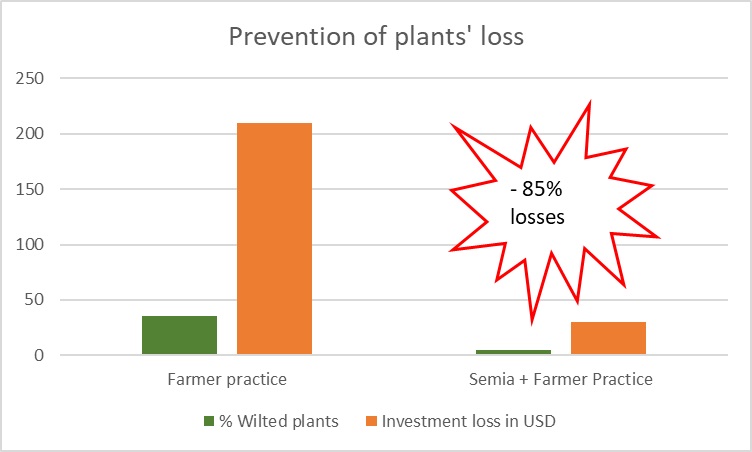
The first trial, conducted in India, examined the losses induced in banana plants through leaf wilting. Farmer standard practice often saw wilting in more than half of all plants, leading to a loss in crop ROI of over $200/ha. But in plants treated with the EnNuVi-enabled Semia, the percentage of wilting plants was slashed to less than 10%, reducing investment loss by 85%.

Meanwhile, in the Philippines, the trial proposed to see whether EnNuVi would increase the number of functional leaves on each banana plant, boosting overall plant health and energy levels to help it fight stress and attack. Of all the EnNuVi products tested, Mantus provided the best result: a 44% increase in functional leaves, over the standard practice, after 45 days.

So while EnNuVi products can’t be seen as a direct replacement for mancozeb, because they don’t exhibit any fungicidal properties, they can – if applied at the correct time in the crop cycle – provide growers with an earlier alternative that may alleviate their need for fungicides at a later date.

We’re not stopping at bananas, of course. FertiGlobal is committed to ensuring continuing success in every crop in which we have an interest. If we can help farmers, wherever they are in the world, reduce the use of agrochemicals and maintain or increase their crop’s productivity and yield, we’ll find a way to do it. It’s the FertiGlobal way.

febrero 2, 2024
Biostimolanti in campo

A new approach to crop protection: how FertiGlobal defines innovation

Independent trials show the way

This leading Italian publication field-tested FertiGlobal’s products. Here’s what they found.

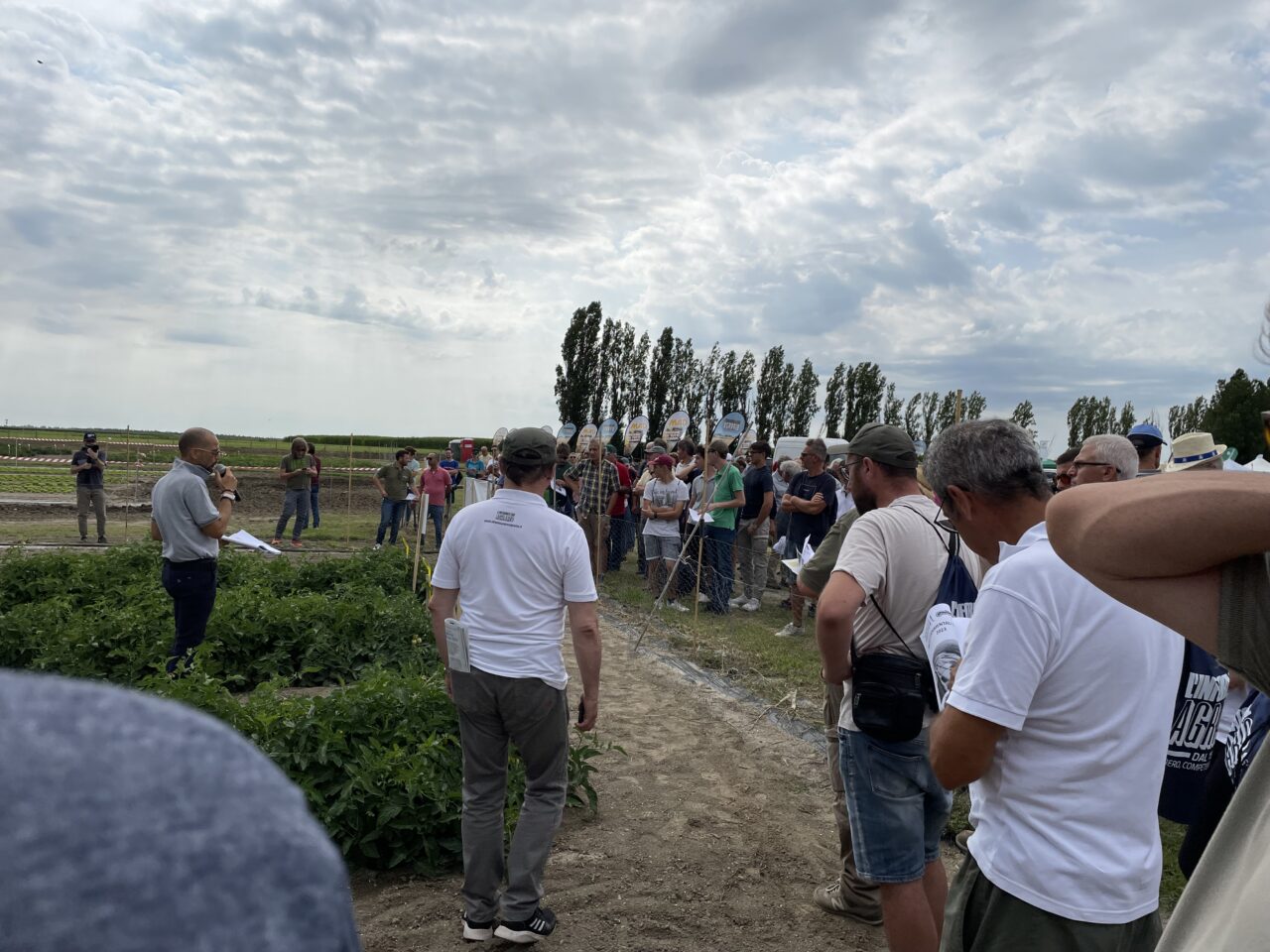
Established in 1945, L’Informatore Agrario is one of the most respected agricultural publications in Italy. Read weekly by more than 40,000 people, including breeders and technicians, farmers and agritech entrepreneurs, it’s come to be seen as one of the most qualified – and fiercely independent – sources of agronomic information available to the Italian crop production sector.

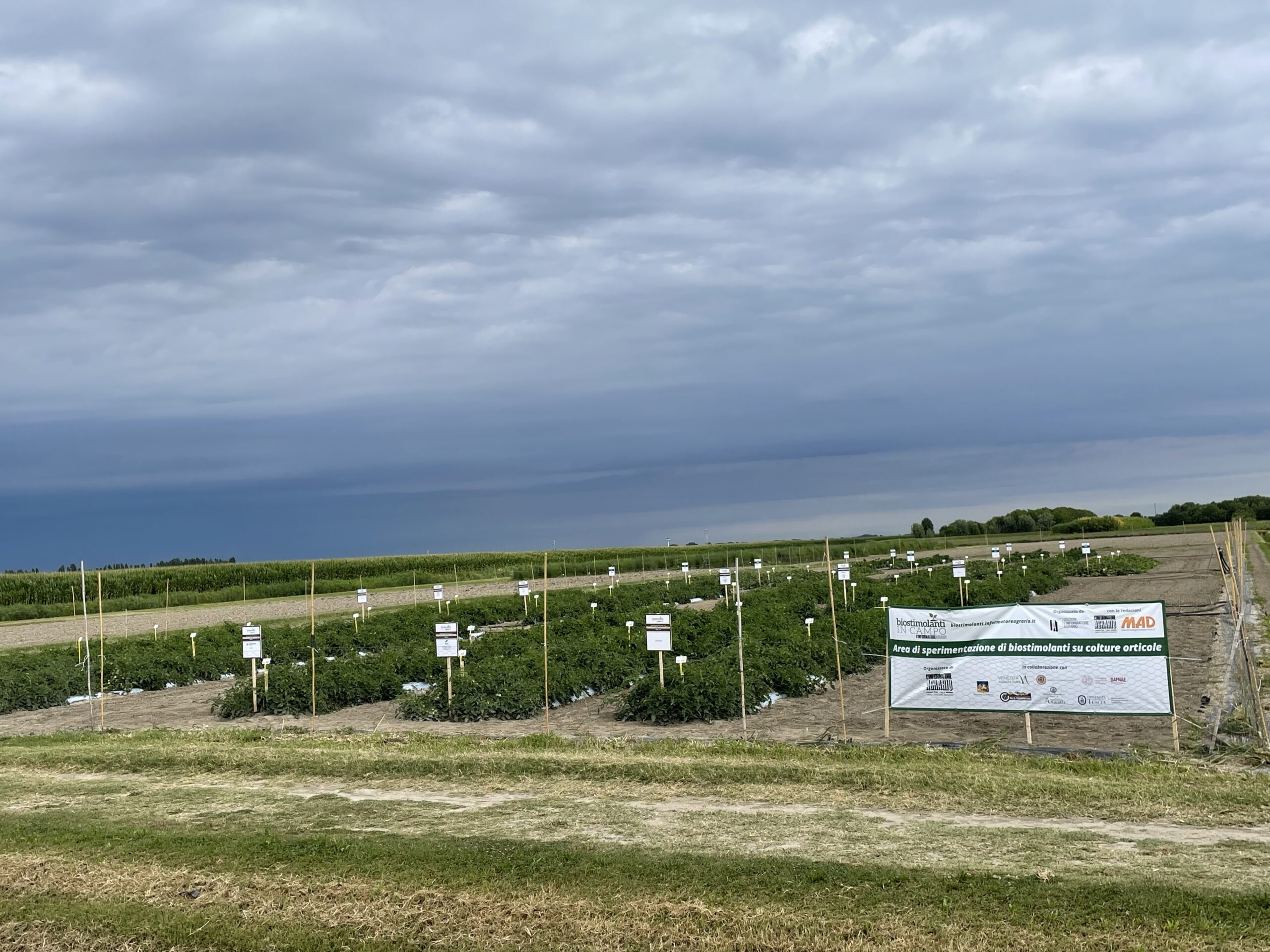
So, it’s not surprising that when the magazine launched an innovative new project – Biostimolanti in Campo (Biostimulants in the Field) – to help them understand the novel and exciting world of biostimulants, and how to incorporate them into their production systems, they attracted considerable support.

Not only is the project run in collaboration with the Centro Sperimentale Ortofloricolo Po di Tramontana di Veneto Agricoltura – the Venetian agency for innovation in the land-based industries – but it’s also garnered the backing of OP Isola Verde, a consortium of 19 businesses cultivating more than 280ha of greenhouse crops under organic and integrated crop management regimes.

And as if that’s not enough, the whole scheme’s scientific rigour is co-ordinated by four of Italy’s leading universities: Tuscia, Salerno, Naples and Padua. This project is about as independent as it can be.

“It’s that striking independence that attracted FertiGlobal to get involved in the project,” says Mohammed Mahboubi, Area Manager Mediterranean. “Biostimulants present a valuable and viable set of tools to help farmers improve the yield and quality of horticultural crops.

“With the EU’s Farm to Fork strategy encouraging a reduction in the use of agrochemicals and synthetic fertilisers, there’s a distinct role for biostimulants within farmers’ production strategies.”

Initially, the project covers just four crops: processing tomatoes, melons, zucchini (courgettes) and rocket.

“With the novel nature of many biostimulants, and the rapid R&D progress that FertiGlobal and others like us are achieving, there’s a real need for independent, farm-level research to help with practical knowledge transfer to improve usage and on-farm performance across a wide range of crops.

“Biostimolanti in Campo does just that. It’s a collaborative approach, bringing together not only the universities’ rigorous scientific overview and the expertise of the research centres, but also commercial diversity: it’s very promising that FertiGlobal is joined by other companies active in the biostimulant sector, to engage in this essential undertaking.”

Mohammed points out that the independent nature of the project allows evaluation of more than just the effect of biostimulants: it’s also about their economic convenience. “When manufacturers release information about margins and cost-benefit ratios, it can sometimes be perceived as biased, but through Biostimolanti in Campo we can demonstrate an impartial economic assessment.”

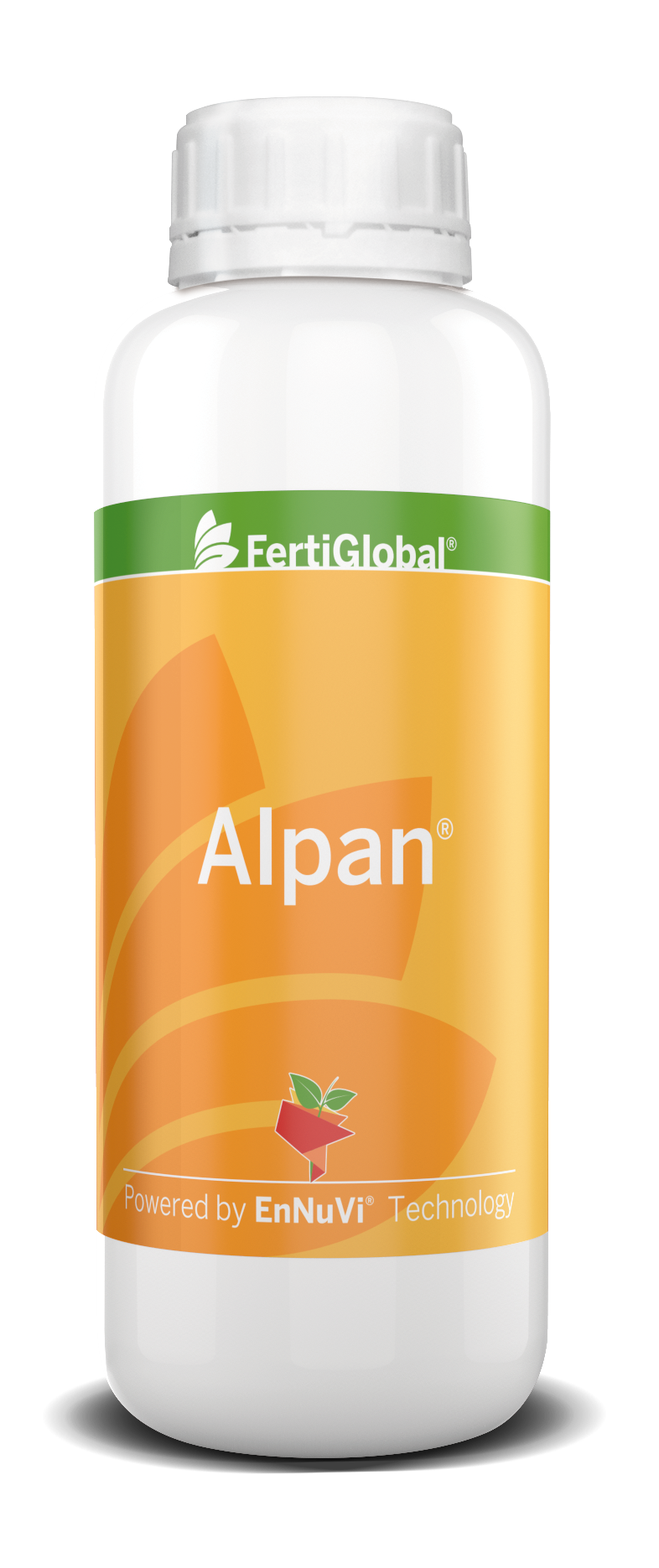
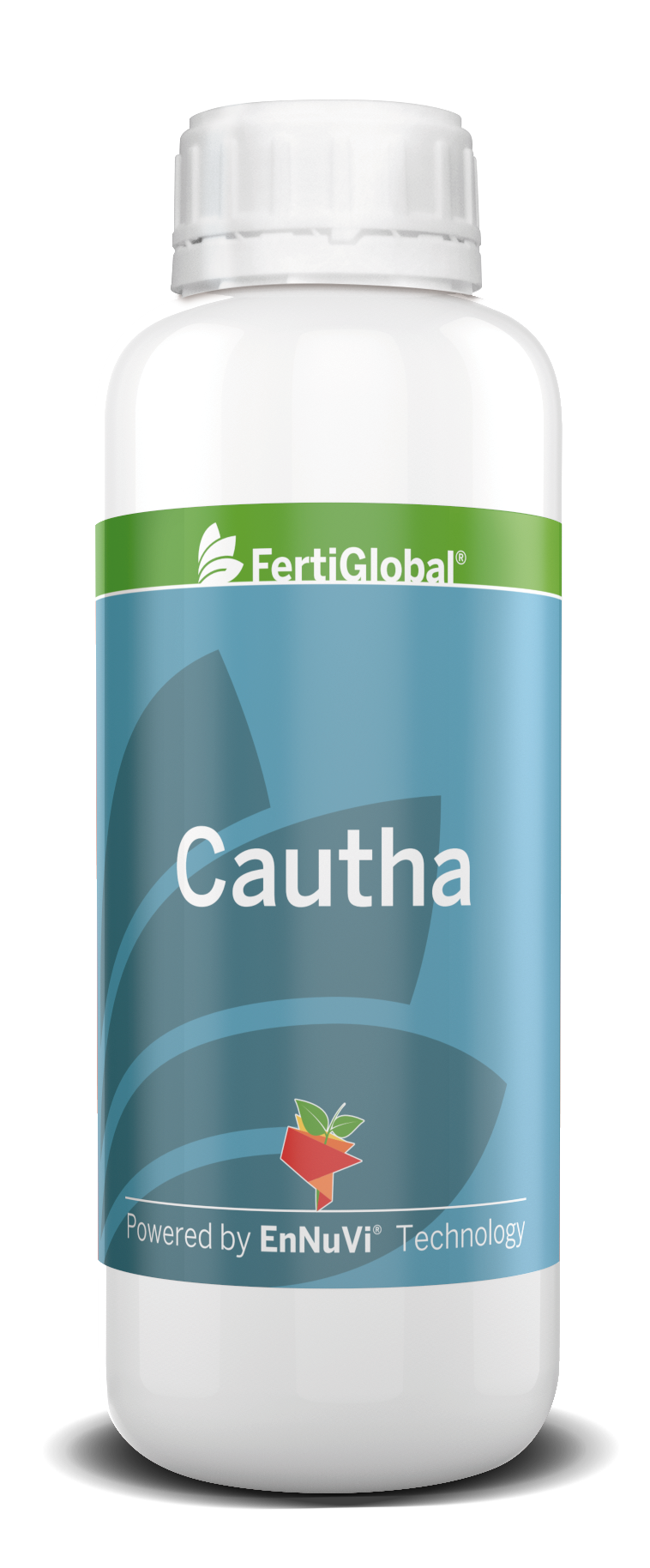
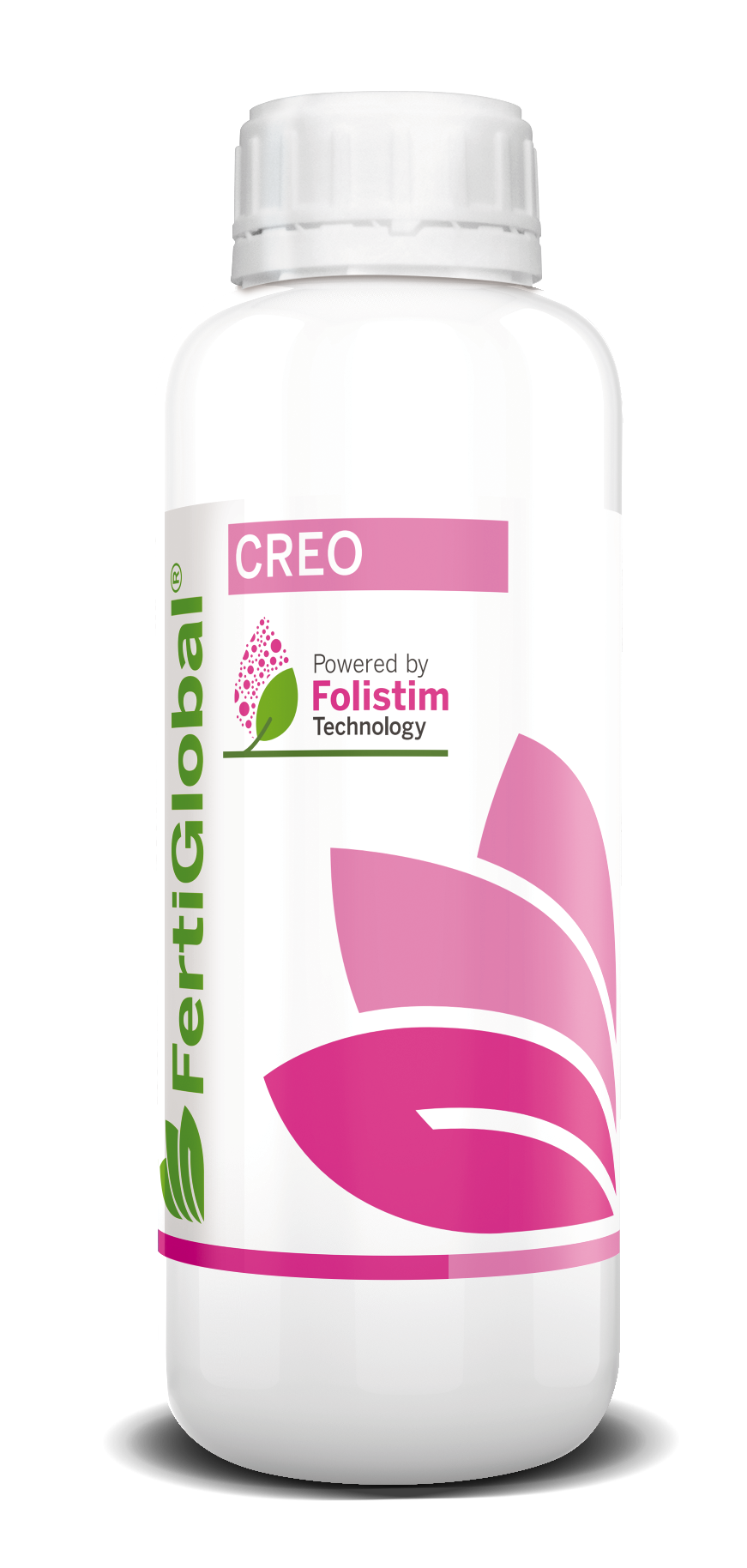
Processing tomatoes were one of the crops for which FertiGlobal supplied three products for the 2023 trials programme: ALPAN, CAUTHA and CREO.

ALPAN, a concentrated suspension of Mg and bioactive polyphenols, was developed to improve the translocation of photo assimilates – the products of photosynthesis – to promote root growth and increase sugar production. It also serves to bolster plants’ natural defence mechanisms and offers some protection against drought stress.

CAUTHA comprises a similar set of bioactive polyphenols, this time co-formulated with Ca. Reducing the effect of biotic and abiotic stress on plants, it maintains chlorophyll levels and helps the crop accumulate valuable osmo-protective molecules.

CREO is a foliar fertiliser fortified with L-methionine. The addition of this important amino acid serves to improve the uniformity of fruit ripening and increases Brix.

A programme comprising all three products was devised by the independent trials team:


Weeks since transplanting Crop growth stage Product applied Rate Water volume
7 Fruit growth commencing CAUTHA 2L/ha 1000L/ha
8 CAUTHA 2L/ha 1000L/ha
9 Fruit growth complete CAUTHA+ALPAN 2L/ha 1000L/ha
10 ALPAN 2L/ha 1000L/ha
11 Beginning to mature CREO 3L/ha 1000L/ha
12 30% fruit mature CREO 3L/ha 1000L/ha
13      

“We were very pleased with the results,” Mohammed enthuses. “The FertiGlobal protocol delivered a 17.6t/ha increase over the farmer standard practice. At prices in place at the time, that would add nearly €3,500/ha to a grower’s margin.

“But it wasn’t just quantity – yield – that improved; we saw some dramatic increases in quality too.”

Overall, fruit from treated plants displayed better vigour, and was more consistent – an important parameter for transport and processing. There was also a slight increase in

°Brix.

“This is but one trial”, says Mohammed, “albeit one carried out independently by well-regarded and prestigious organisations.

“However, it clearly shows the ability of well-developed, science-led biostimulants to improve not just profitability on-farm – that €3,500/ha increase comes from an investment of just €200/ha in input costs – but environmental performance too.

“One-fifth of the treated fruit was rejected, compared to one-quarter from the control plots. We know we have a problem with food waste, but efforts to reduce it begin at the farm, way before it reaches the fork.

“We look forward to continuing to work with L’Informatore Agrario on Biostimolanti in Campo,” Mohammed concludes. “There’s work still to be done: to progress further with the on-farm knowledge transfer, yes, but also in the exciting direction of seeing how biostimulants and innovative solutions can be used to reduce both plant protection products input and irrigation demands while maintaining production output and efficiency.

“Biostimulants, bioactivators and innovative nutritive solutions really are the new frontier for crop production.”

diciembre 20, 2023
Biostimulants World Congress 2023

A new approach to crop protection: how FertiGlobal defines innovation

BSWC2023

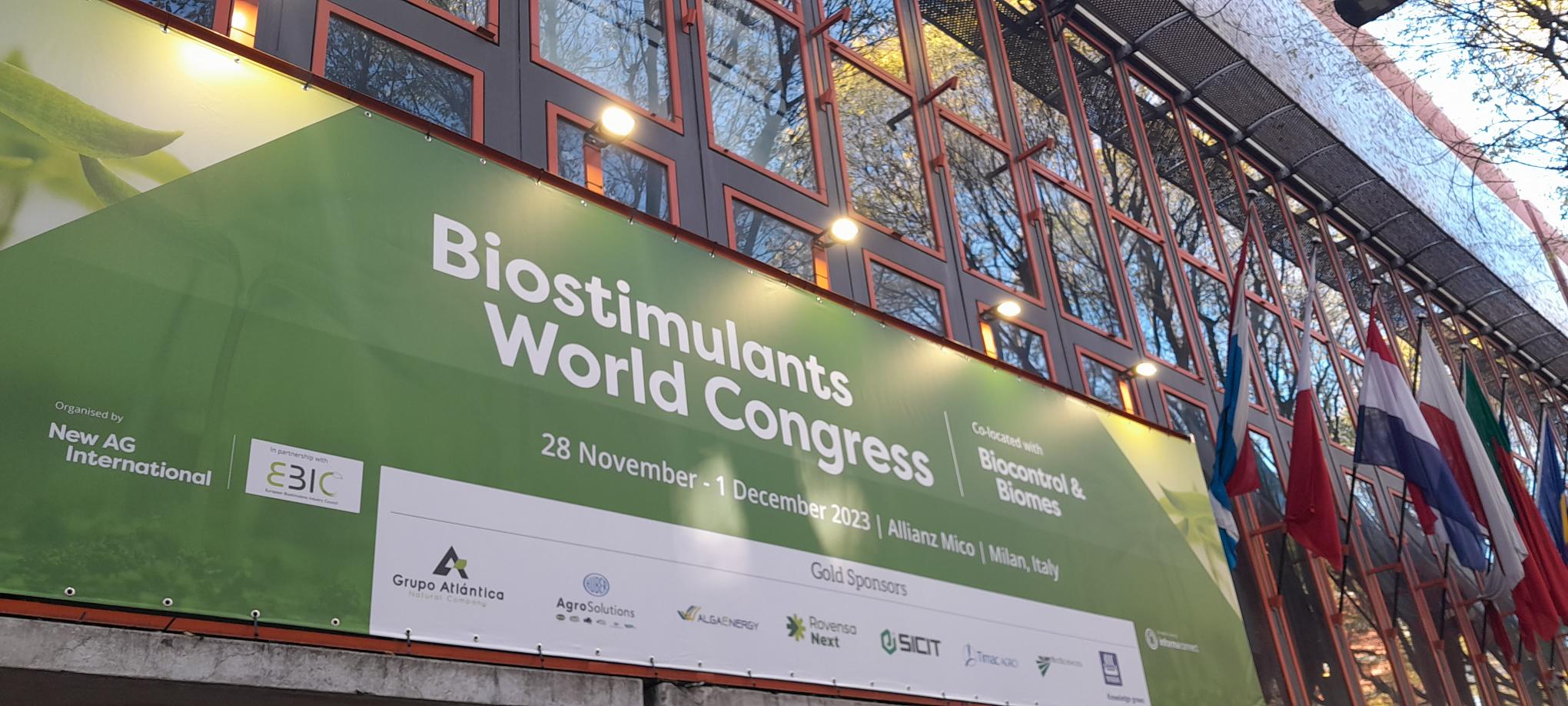
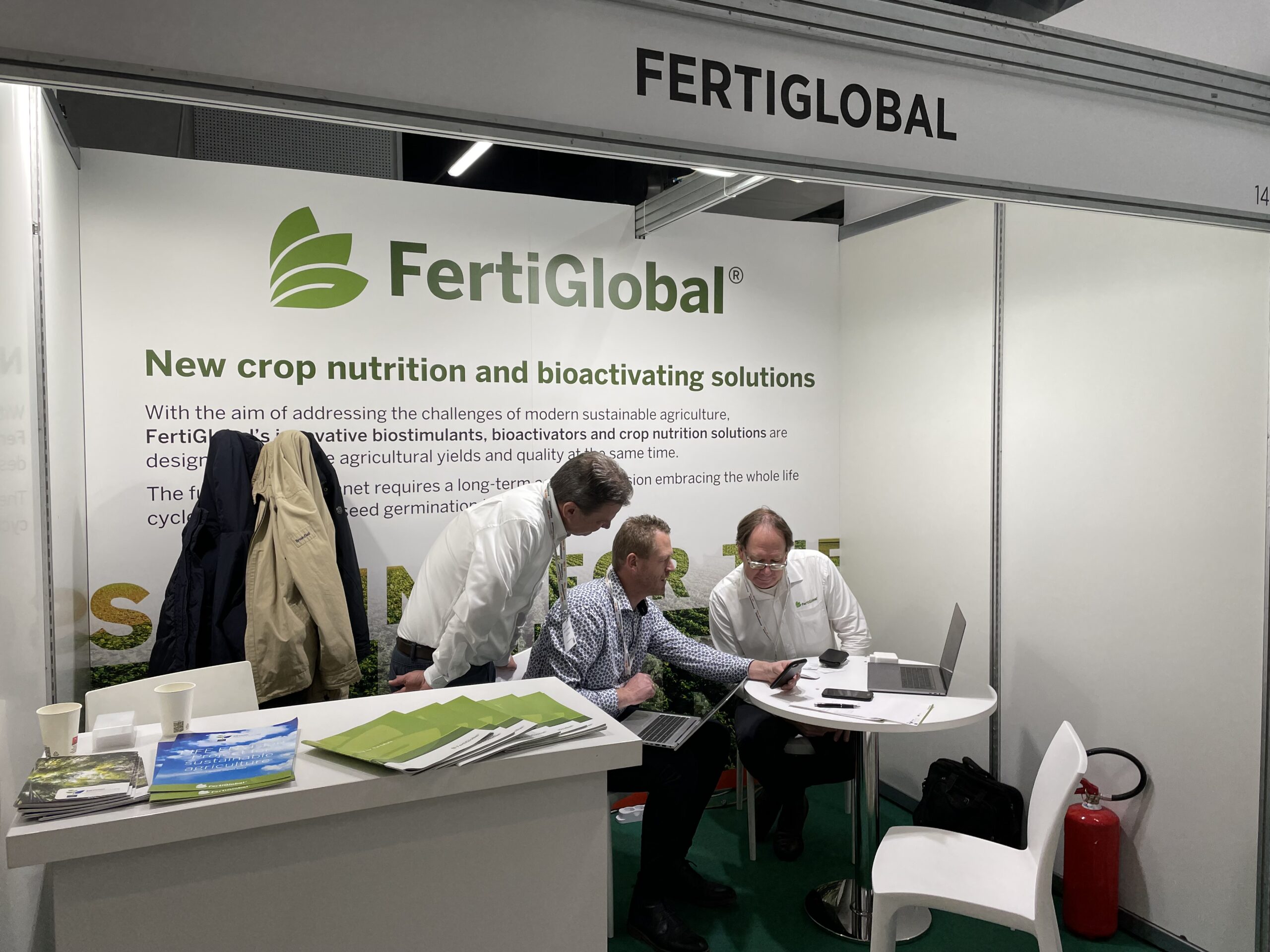
More than 1400 delegates flocked to the Biostimulants World Congress 2023, held in Milan, Italy, in November. With FertiGlobal’s ‘Crop Management Program’ philosophy wholly centred on the principle of biostimulation or bioactivation, the company exhibited at the event and shared its approach with delegates.

Claus Brakemeier, FertiGlobal’s global business development manager, explained the need for innovation in agriculture and why FertiGlobal believes it can be delivered with a new approach to crop protection.


What is innovation? In FertiGlobal, we’ve defined it as “a process by which a product or service is renewed and brought up to date by applying new processes, introducing new techniques or establishing successful ideas to create new value – value being a defining characteristic of innovation.”

As for the reason why we need innovation, we have only to look at the state of modern agriculture. Overuse of chemical plant protection products, nutrient losses, soil degradation, loss of biodiversity – the list goes on. And it’s for these reasons – or mitigation of them – that have given rise to the European Green Deal and its Farm2Fork strategy.

By 2030, we can expect to see organic farming make up between 25-30% of European farmland; to have reduced the use of chemical pesticides by 50%; and to have reduced nutrient losses – without affecting soil fertility – by 50%.

It’s a tall order, hence the need for innovation. But if the use of chemical pesticides is to be reduced by 50%, what will replace them?

FertiGlobal’s approach has been to look at how we can help the plant to help itself. After all, plants have been growing for more than 400 million years: during that time, they’ve developed their own complex defence mechanisms. How can we make better use of these?

That’s where we’ve focused: on the importance of biostimulation. We’re rethinking ‘crop protection’, realigning it to the idea of boosting the plant’s capability to defend itself.

What does the plant need, in terms of bioactivation, to perform better when it’s under stress? Given that many crops do not even reach 20% of their production potential, how do we reduce the effects of crop stress – whether biotic or abiotic – and remove one of the major causes of productivity reduction?

From the start, this has been out-of-the-box thinking. FertiGlobal has pulled together a new team, characterised by diverse skills, knowledge and experience. They’re using ultra-modern facilities. And we’re investing in research that has enough depth and power to deliver our objective: a truly innovative, new-ball approach to crop protection.

It’s all about making the plant our ‘teacher’. If we take time to analyse and understand the stress factors that impact crop productivity and quality, we can study the plant’s reactions and correlate those with elements of the plant’s own self-defence mechanisms. Then we can use that acquired knowledge to research and develop the innovative formulations and products, each family of products termed a ‘Technology’, for example FOLISTIM or EnNuVi.

We also decided our formulations and products would some basic but essential requirements:

  • Safe and environmentally friendly raw materials, preferably derived or extracted from biological origins, combined with essential plant nutrients;
  • Balancing of those raw materials so that that they can bioactivate the plant’s inherent self-defence processes (remembering what we learned from the plant ‘teacher’);
  • Formulations that avoid adding more stress to the plants when they’re used: high analysis suspensions, liquid solutions, water-soluble powders, wettable powders, and so on.

This approach to product development must be balanced against testing: how do we make sure our products work the way they’re intended? We start with growth chamber tests, then move on to glasshouse trials. When we’re satisfied with the performance, we bring in the scientists to confirm the mode of action and check phytotoxicity and environmental performance.

Next, we take the products into the field. Only through extensive field trials can we prove the products’ efficacy under real conditions. We need to know how they’ll perform on different crop, in different regions, in varying soil types, and during all seasons.

Once we´re confident we have consistent results, we take the products to the growers for demonstration purposes: primarily efficacy and economic performance, but also to monitor ease of application and compatibility.

It’s this meticulous approach to product development that defines FertiGlobal’s portfolio, and every product within it. We’re confident about the ability of our products to deliver innovation; with this approach, we can ensure our customers can be confident they’ll do just that.

FertiGlobal at BSWC2023
FertiGlobal’s booth at Biostimulants World Congress 2023 in Milan
noviembre 26, 2023
World days

World Olive Tree Day

UNESCO proclaimed November 26 as World Olive Tree Day in 2019

Valued by humans for more than 100,000 years, the humble olive may seem an odd crop around which to build a civilisation.

Yet along with grapes and grain, it was the olive that made up the ‘trinity’ of staple goods on which the might and heft of Greek civilisation was founded.

Today, its global ubiquity – a preferred cooking oil, a go-to snack, the veritable cocktail olive, even cosmetics and ‘nutraceuticals’ – supports a global industry that stretches far beyond the olive tree’s Mediterranean origins. An estimated 850 million olive trees grow worldwide, yielding an annual crop of more than 10 million tonnes.

For the farmers who rely on the olive – Spain is the world’s biggest producer, accounting for nearly 60 per cent of the global harvest – it’s a commodity crop. Nevertheless, it’s a crop unlike any other, thanks to the spiritual and cultural connotations it’s acquired during its long history with humans.

From the earliest times, we know that olive oil was considered sacred and holy: the 400 million people who watched the coronation of the United Kingdom’s King Charles III in May may not have known it, but during the most sacred part of the ceremony a special oil, created from olives harvested from the Mount of Olives in Jerusalem, was used to anoint the country’s new monarch.

Meanwhile the tree has lent itself to diverse symbolism of wisdom, fertility, power and purity. Most notably, the olive branch is regarded as a sign of peace – a practice dating back to those ancient Greeks, who used consignments of olives as a diplomatic gift to the Egyptian pharaohs.

In declaring World Olive Tree Day, Audrey Azoulay, Director-General of UNESCO, perhaps described it most succinctly and eloquently:

«The olive tree is therefore a universal tree, which has accompanied humanity for thousands of years, embodying its aspirations; because with its legendary longevity and ability to rise from its ashes, it reaches beyond the short-sightedness of the moment: planting an olive tree and eating its fruit is to join the chain of humanity.»

In establishing the Day, UNESCO – whose ultimate ‘parent’ body, the United Nations, incorporates two olive branches in its flag – sought to encourage the protection of the olive tree and the values in embodies. By recognising the tree with a Day, UNESCO recognises its important social, cultural, economic and environmental significance to humanity.

Elevating the olive tree’s importance couldn’t happen at a more opportune time. UNESCO points out that conserving and cultivating the olive tree is a ‘growing imperative’ as the world combats and adapts to climate change.

The years 2022 and 2023 have served to highlight that threat. For a second year, the world’s olive harvest has been struck by a combination of extreme heat, wildfires and drought. In May 2023, Spain reported a drop in production of nearly 50 per cent; September saw the US Department of Agriculture revise its global olive oil production estimate to a quarter lower than 2022 and the five-year average.

What’s more concerning is how it’s not just Spanish producers who are suffering: Apulia, Italy’s most important olive oil production region, has been heavily affected by storms in recent weeks, damaging the imminent harvest for the world’s second most important producer.

Olive tree day by FertiGlobal
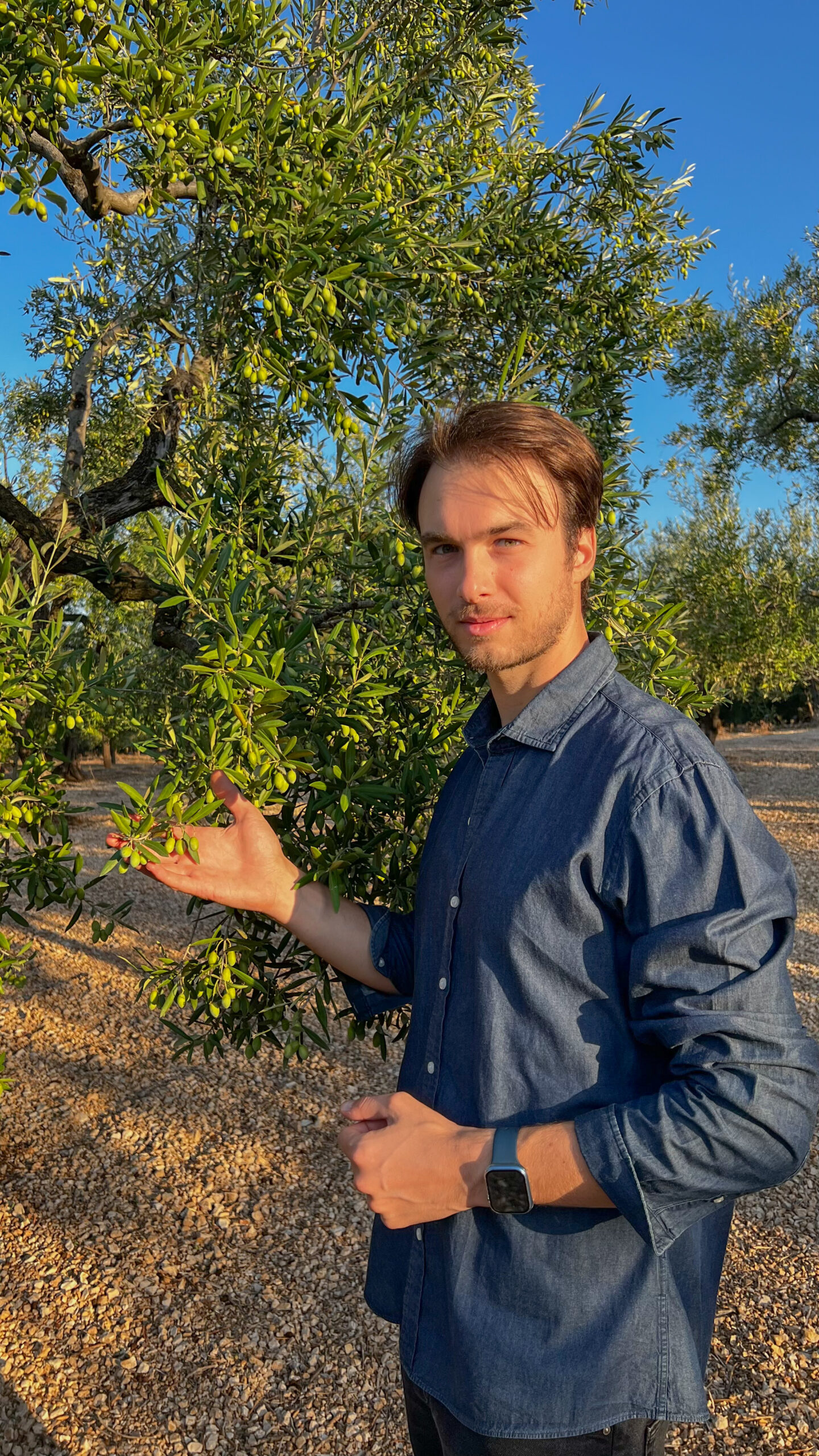
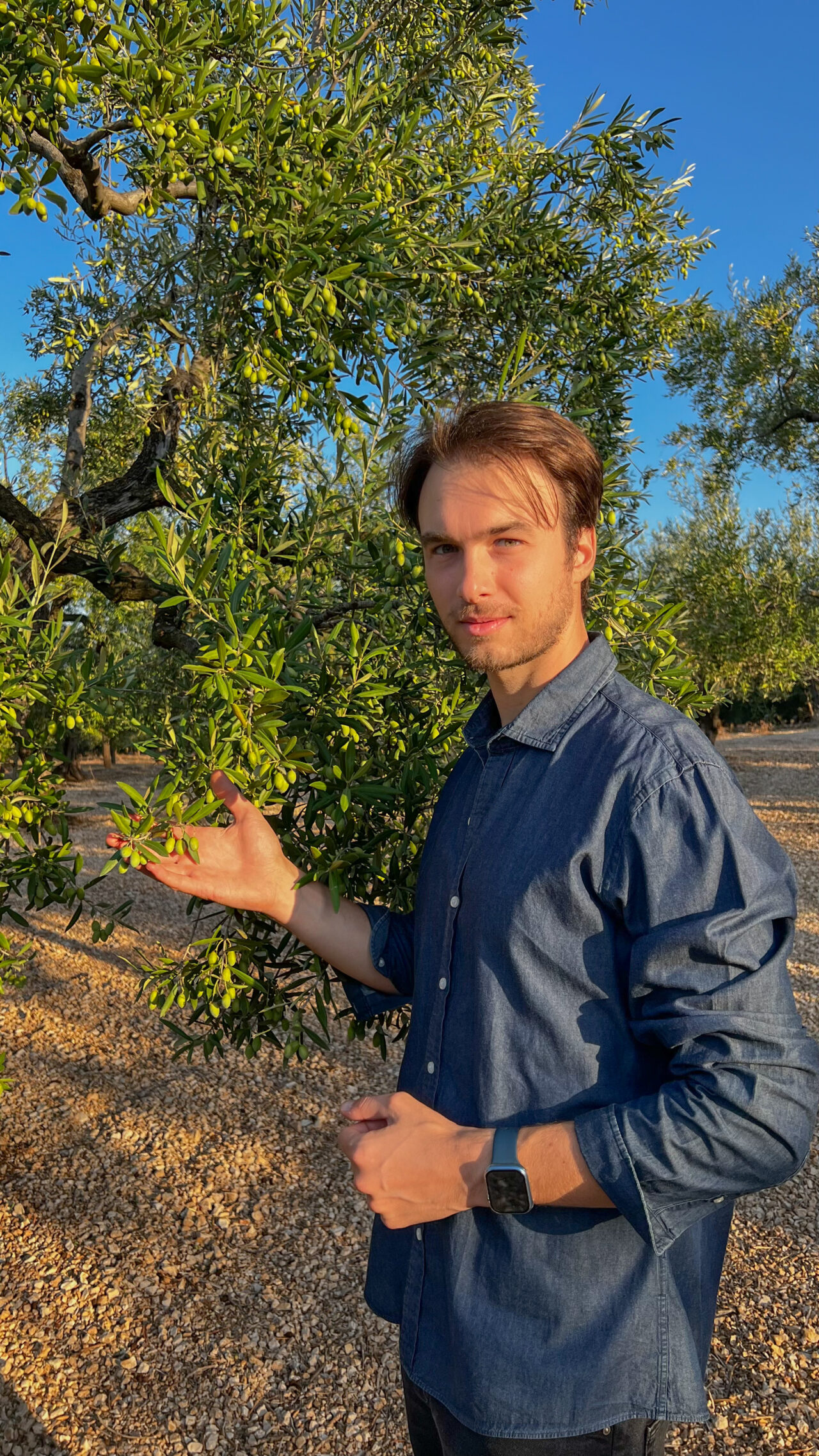
Giuseppe Fiore, FertiGlobal sales manager in South Italy, during a visit in an olive tree field.

And the story continues throughout the Mediterranean with similar stories in Portugal, Tunisia, Greece and Morocco. Indeed, the threat of dwindling supplies has pushed olive oil prices 130 percent higher than a year ago. It’s now ten times more expensive than crude oil.

It’s a very worrying situation, especially as the root cause – climate change – is a factor causing difficulty and upheaval in other key crop markets, too.

Here at FertiGlobal, we’re ultimately focused on providing farmers of all crops with solutions to deliver a more sustainable agriculture. As World Olive Tree Day approaches, we’re looking ahead to the next crop season with our own olive branch to growers: we’re working hard to make our advanced agricultural technologies, such as EnNuVi, supported in olive agronomy.

We believe there’s an opportunity to bring our Total Crop Management approach to the olive grove. By focusing on the defence mechanisms naturally present in the plant, we can improve its tolerance to extreme biotic (pest and disease) and abiotic (environmental) stresses. A vital lifeline for this vital industry, yes – but also an opportunity to demonstrate the validity of the European Green Deal, and its objectives to reduce the use of plant protection products and artificial fertilisers.

EnNuVi encompasses a wide portfolio of products. Get in touch with us to discover how to bring EnNuVi into your own integrated crop nutrition plan.

Translate »